

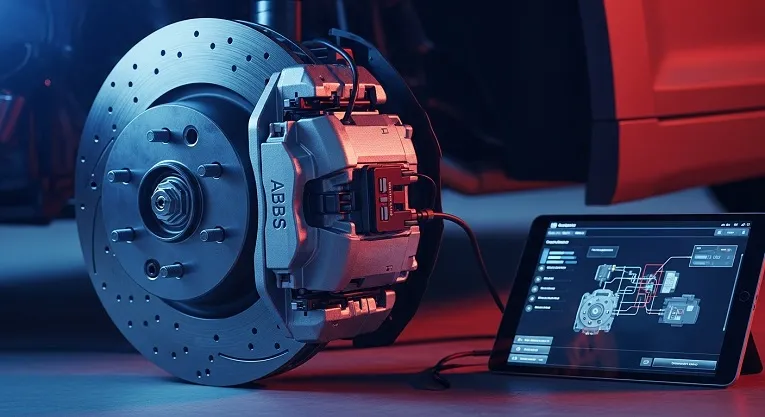
Modern vehicles are equipped with advanced safety systems designed to protect drivers and passengers in critical situations. Among these systems, the Anti-lock Braking System, commonly known as ABS, plays a vital role in maintaining control during sudden braking. A term that often appears in diagnostics and technical discussions is ABS Testauslösung, which refers to the activation or triggering of an ABS test sequence.
For many drivers, this concept may seem technical or confusing at first. However, understanding how it works can help you better interpret your vehicle’s behavior and ensure that your braking system is functioning properly. This article explores the concept in detail, explaining its purpose, causes, and importance in vehicle safety.
What is ABS Testauslösung?
The term ABS Testauslösung describes a controlled activation of the ABS system for testing purposes. This process is typically initiated by the vehicle’s onboard diagnostic system or during maintenance procedures. It ensures that all components of the ABS system are working correctly.
During this test, the system simulates braking conditions to verify that sensors, control units, and hydraulic components respond as expected. This is not the same as emergency ABS activation during real driving situations. Instead, it is a preventive measure designed to detect faults before they become serious issues.
Why ABS Testing is Important
Regular testing of the ABS system is essential for maintaining vehicle safety. The braking system is one of the most critical components of any vehicle, and even a small malfunction can lead to dangerous situations.
When an ABS Testauslösung is performed, it helps identify problems such as faulty sensors, damaged wiring, or issues within the control module. Early detection allows for timely repairs, reducing the risk of brake failure. This proactive approach ensures that the system remains reliable under real-world conditions.
How the ABS System Works
To understand the importance of testing, it is helpful to know how the ABS system operates. The system uses sensors to monitor the speed of each wheel. When it detects that a wheel is about to lock up during braking, it rapidly adjusts brake pressure to maintain traction.
This process happens within milliseconds and allows the driver to retain steering control even during hard braking. The system relies on precise coordination between sensors, electronic control units, and hydraulic components. Any failure in these elements can compromise performance, which is why ABS Testauslösung plays such a critical role.
Common Causes of ABS Test Activation
There are several reasons why an ABS test may be triggered. In many cases, it occurs during routine diagnostics or vehicle startup checks. Some vehicles automatically perform system checks when the engine is started to ensure everything is functioning correctly.
In other cases, the test may be initiated after repairs or when the system detects irregularities. For example, inconsistent wheel speed readings or communication errors within the control unit can prompt a diagnostic test. These triggers help ensure that the system remains accurate and responsive.
Signs That Indicate ABS System Issues
While testing is usually controlled and harmless, certain signs may indicate underlying problems. Drivers should pay attention to warning lights on the dashboard, unusual vibrations during braking, or changes in braking performance.
If the ABS warning light remains on, it may suggest that the system has detected a fault. In such cases, a professional inspection is recommended. Understanding the role of ABS Testauslösung can help drivers recognize when testing is routine and when it signals a deeper issue.
Maintenance and Best Practices
Proper maintenance is key to ensuring that the ABS functions correctly. Regular vehicle inspections and timely servicing can prevent many issues. Keeping sensors clean and ensuring that electrical connections are intact can improve system reliability.
It is also important to use quality brake components and follow manufacturer recommendations. When maintenance is performed correctly, the likelihood of unexpected system failures is significantly reduced. This makes the testing process more effective and meaningful.
The Role of Diagnostics in Modern Vehicles
Modern vehicles rely heavily on electronic diagnostics to monitor performance and safety systems. These systems continuously analyze data and can detect even minor irregularities. The concept of ABS Testauslösung fits into this broader framework of intelligent vehicle monitoring.
Diagnostic tools allow technicians to access detailed information about the ABS, making it easier to identify and resolve issues. This level of precision ensures that vehicles remain safe and reliable, even as technology becomes more complex.
Safety Implications for Drivers
Understanding how ABS testing works can give drivers greater confidence in their vehicles. Knowing that the system is regularly checked and maintained provides reassurance, especially in challenging driving conditions.
The ability to maintain control during emergency braking situations is one of the key benefits of ABS. By ensuring that the system is functioning properly, testing procedures contribute directly to road safety. This highlights the importance of paying attention to system alerts and maintaining your vehicle properly.
Conclusion
The concept of ABS Testauslösung may seem technical, but it plays a crucial role in ensuring vehicle safety. By allowing the ABS to be tested and monitored, it helps identify potential issues before they become serious problems.
From understanding how the system works to recognizing the importance of regular maintenance, drivers can benefit greatly from this knowledge. A well-maintained ABS system not only improves braking performance but also enhances overall driving safety. Taking the time to understand and respond to these systems ensures a safer and more reliable driving experience.