
For more than four decades, Stanley Street Motors in Lowestoft served generations of drivers seeking quality used vehicles and personalized service. But in June 2025, this long-standing automotive favourite closed its doors after 45 years in business, leaving many local customers wondering what happened and what comes next.
This closure wasn’t just another business winding down; it marked the end of an era for one of Lowestoft’s most trusted independent dealers. Founded in 1980, Stanley Street Motors grew from a modest showroom into a community staple known for reliable vehicles and friendly faces. But as with many small dealerships across the UK, changes in owner circumstances, industry pressures, and evolving car-buying habits played a part in the decision to cease trading.
In this article, we’ll explore why Stanley Street Motors closed, what happened to the property, how local buyers and staff are affected, and what this event signifies for the wider automotive retail landscape. Whether you’re a car buyer, industry watcher, or local to Lowestoft, this in-depth guide has everything you need to understand the story behind the closure.
Background of Stanley Street Motors
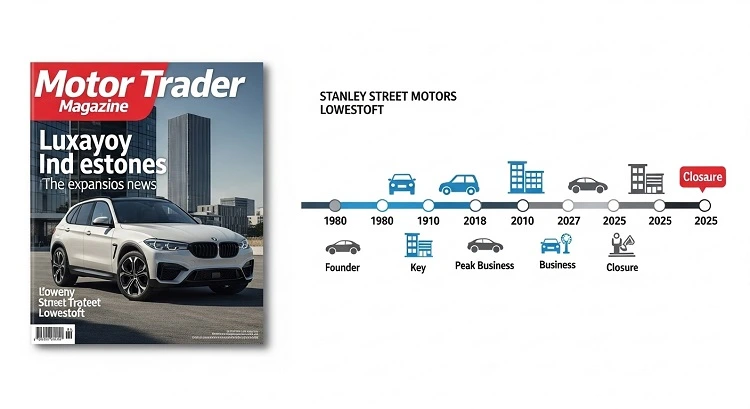
Founding and Growth (1980–2025)
Stanley Street Motors began as a small family-run car dealership in Lowestoft, Suffolk, in 1980. Its early years were marked by steady growth, fueled by a focus on high-quality used cars and a personalized customer experience. Over 45 years, the dealership became known not just for its vehicles, but for its friendly service and reliability, building a loyal customer base across the region.
Business Model and Services
The dealership primarily dealt in used cars, offering vehicles across multiple makes and models. Services included sales, part-exchange, finance options, and vehicle servicing. This comprehensive approach enabled Stanley Street Motors to maintain a competitive edge in a market increasingly dominated by online car sales and large franchise dealerships.
Community Role in Lowestoft
Beyond business, Stanley Street Motors became an integral part of the Lowestoft community. Sponsorships of local events, charity drives, and personalized service cultivated trust that extended beyond transactional relationships. This community integration added sentimental value to the closure, affecting more than just local car buyers.
Details of the Closure
Why Stanley Street Motors Closed
After 45 years in business, Stanley Street Motors officially ceased trading in June 2025. The primary reasons cited were the owner’s ill-health and retirement, highlighting the vulnerability of small, family-run dealerships to personal circumstances.
Unlike corporate dealerships, independent dealers often lack a structured succession plan. When key figures step away, continuity is difficult to maintain. In this case, the absence of a successor led to the decision to permanently close the business.
Timeline Leading Up to Closure
Leading up to the shutdown, announcements were made through social media and local press. Staff were informed well in advance, and vehicles for sale were gradually reduced as the closure date approached. The decision was carefully planned to ensure a smooth exit for both customers and employees.
Public Announcements & Statements
Official statements emphasized appreciation for decades of local support. Media outlets like Car Dealer Magazine and AM-Online reported extensively, highlighting not only the closure but also the auction of the dealership property and the broader trend of UK dealership closures.
Auction and Property Sale
Showroom and Forecourt Details
The dealership’s physical assets include a large showroom, workshop, and forecourt capable of housing dozens of vehicles. These facilities make the property attractive not only to other automotive businesses but also to developers considering alternative commercial uses.
Auction House East Anglia Listing
The property was placed for sale through Auction House East Anglia, with a guide price estimated between £250,000 and £300,000. The auction listing highlighted both the property’s automotive functionality and potential for redevelopment, making it a notable opportunity in the local market.
Guide Price and Real Estate Potential
The auction guide price reflects both the value of the existing business infrastructure and the potential for conversion. For investors, the property represents a rare chance to acquire a purpose-built automotive site in Lowestoft, either for car sales or commercial redevelopment.
Market Context: Dealership Closures in the UK
Trends in Automotive Retail
The closure of Stanley Street Motors is part of a broader trend. In recent years, UK dealerships have faced increasing pressure from rising costs, stricter regulations, and evolving consumer behaviors favoring online car sales.
Online Car Sales vs Traditional Dealers
The rise of digital marketplaces has disrupted traditional dealerships. Customers now expect seamless online browsing, finance options, and home delivery; services that smaller independent dealers struggle to match without significant investment.
Economic Pressures on Independent Dealers
Independent dealerships often operate on tight margins. Rising rent, insurance, and compliance costs, combined with competitive online alternatives, create a challenging environment for longevity. Stanley Street Motors’ closure exemplifies these pressures.
Impact on the Local Community
Customers and Local Car Buyers
The closure leaves a gap for used car buyers in Lowestoft. Customers accustomed to personalized service must now look elsewhere, potentially turning to online platforms or larger franchise dealers in neighboring towns.
Staff and Employment Effects
Employees faced uncertainty as the dealership closed. While some staff secured positions with other local dealers, the closure highlights the employment risks inherent in family-run businesses.
Automotive Service Sector in Lowestoft
Beyond vehicle sales, the dealership provided servicing and maintenance, which also ceased operations. Local garages may see increased demand, while loyal service customers need to identify new trusted providers.
What This Means for Used Car Buyers
Alternatives in Lowestoft
Local alternatives include franchise dealers and other independent outlets. Buyers are advised to compare prices, services, and warranties to ensure they receive value and reliability comparable to what Stanley Street Motors offered.
How to Source Vehicles After Closure
Online platforms like AutoTrader and Motors.co.uk have become essential tools. Combining digital research with visits to nearby dealerships ensures buyers maintain access to a wide range of quality vehicles.
Lessons from the Closure
Business Succession Planning
Stanley Street Motors illustrates the importance of succession planning. Without a plan, the departure of key personnel can force closures, regardless of profitability or reputation.
Preparing for Industry Shifts
Independent dealers must adapt to technological changes, including online sales and digital marketing. Early adoption can mitigate risks posed by evolving consumer habits.
Future of the Property
Redevelopment Possibilities
The site could continue as an automotive business, be converted into commercial offices, or even be redeveloped for mixed-use purposes. Local planning guidelines will influence potential uses.
Planning Permission Considerations
Developers must consult Suffolk County Council regarding zoning, permitted uses, and potential modifications. The property’s existing infrastructure may reduce conversion costs, enhancing appeal.
Conclusion: Stanley Street Motors, Lowestoft, Closes
The closure of Stanley Street Motors in Lowestoft marks the end of a significant era for both the local automotive market and the community it served. Operating for 45 years, the dealership earned a reputation for quality vehicles, personalized service, and community engagement. It’s shutdown, while driven by the owner’s personal circumstances, reflects wider challenges affecting small, independent car dealerships across the UK.
The property’s auction opens opportunities for new ventures, whether automotive or commercial. For the Lowestoft community, the closure represents both a loss of a trusted service provider and a chance to explore alternative suppliers.
Ultimately, Stanley Street Motors’ story underscores the need for succession planning, adaptation to industry changes, and community engagement. For local drivers, it’s a reminder to research and connect with other trusted dealerships. For the automotive sector, it’s a case study in the convergence of personal and market forces shaping the future of car retail.
FAQs
Q1. Why did Stanley Street Motors, Lowestoft, close?
A1. The dealership closed due to the owner’s ill health and retirement, a common challenge for independent car dealers.
Q2. What happened to the Stanley Street Motors property?
A2. The former showroom and forecourt were placed for auction, with potential for automotive or commercial redevelopment.
Q3. Are any used car dealers still open in Lowestoft after the closure?
A3. Yes, several independent and franchise dealers remain operational in Lowestoft and nearby areas.
Q4. How common are automotive dealership closures in the UK?
A4. UK dealerships frequently close due to economic pressures, market shifts, and rising operational costs.
Q5. What should used car buyers consider after this closure?
A5. Buyers should compare dealerships, read reviews, and explore online platforms to find quality vehicles.