
Black box insurance can cut a young driver’s premium sharply: telematics was the cheapest quote 42% of the time, saving £228 on average, and for 17 to 19 year olds it was cheapest 82.8% of the time. But it is not a guaranteed saving. Bad driving can raise your renewal, and night driving and mileage caps catch young drivers out.
What Is Black Box Insurance?
Black box insurance, also called telematics insurance, prices your cover partly on how you actually drive instead of only on your age, postcode and car. A device fitted in the car, or a phone app, records your speed, braking, acceleration, cornering, time of day and mileage, and the insurer turns that into a driving score. Drive well and the score earns a discount at renewal or cashback; drive badly and the renewal can go up instead.
There are three types of device. A fitted box is wired in under the dashboard by a technician. An OBD plug-in fits into the diagnostic port under the steering column and can be removed yourself. A smartphone app uses your phone’s GPS and motion sensors, needs no fitting and works in any car. App-based cover is now the default for many new policies.
There are two ways the saving arrives. Reward-based policies start at a standard price and give a discount at renewal, or during the year, if your score stays high. Immediate-saving policies are cheaper upfront, with your driving monitored throughout the year. Check which type you are offered, because the headline price means something different on each one.
Why Are Young Drivers’ Premiums So High?
A 17-year-old pays £1,755 a year for comprehensive cover on average, against a UK average of £713, according to the Confused.com price index for July to September 2026. An 18-year-old pays £2,083, the highest of any age. For drivers aged 17 to 24, the average comprehensive premium is £1,556, while third party only cover averages £3,031 and third party, fire and theft £2,121. Surprisingly, the cheapest cover is often comprehensive, not third party only.
The reason is risk. Drivers aged 17 to 24 hold only 6.3% of full driving licences in Great Britain, yet 20% of killed or seriously injured casualties in 2025 came from collisions involving a younger driver, according to the Department for Transport: 269 people were killed in collisions involving a young car driver, and 1,381 young drivers were killed or seriously injured. Insurers price that risk into every quote, and a black box lets a careful young driver prove the group statistics do not apply to them.
Your car choice matters as much as your age. A small, low-group car costs far less to insure than a powerful one: see the cheapest cars to insure for new drivers guide before you buy, and our car insurance groups explained guide shows how the group rating works.
How Much Can a Black Box Save a Young Driver?
The best evidence comes from Which?, using Consumer Intelligence pricing data from November 2025 covering 6,868 driver profiles: a telematics policy was the cheapest quote 42% of the time, saving £228 on average where it was cheaper. The savings were biggest for the youngest drivers and shrank with age.
| Driver age | How often telematics was cheapest | Median saving when cheaper |
|---|---|---|
| 17 to 19 | 82.8% | £2,172 |
| 20 to 24 | 74.6% | £289 |
| 25 to 29 | 50.8% | £124 |
| 30 to 34 | 37.2% | £105 |
| All ages | 42% | £228 |
For a 17 to 19 year old, the cheapest telematics quote was about half the cheapest standard quote. MoneySuperMarket data from June 2026 puts the gap at £1,288 for that age group. Compare the Market puts the average telematics premium for 17 to 24 year olds at £1,405 a year, against the Confused.com average of £1,556 for the same age group, and says 69% of young drivers save with a black box.
But no figure is a promise. Some guides quote savings of 20 to 40 percent, but the Association of British Insurers does not publish a set percentage, and a black box does not guarantee a cheaper quote. Your premium can go up or down with how you drive, and the only way to know your price is to get quotes for both types of policy on the same car.
How Does the Black Box Score Your Driving?
The box or app scores five things: speed against the legal limit, braking, acceleration, cornering and time of day, plus your total mileage. Each insurer weights them differently, but speed and smooth braking usually count most. Most first-year drivers settle at 60 to 80 out of 100, and only about 12% reach 90 or more, according to Selectra’s guide to telematics scoring.
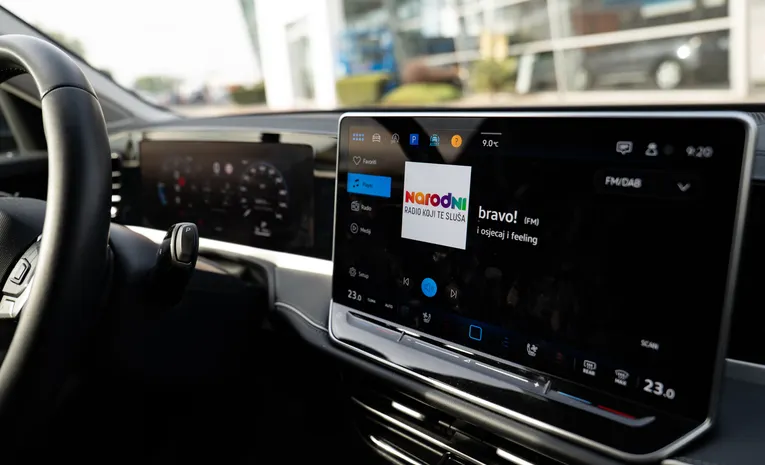
What lowers your score is mostly avoidable: harsh braking, fast acceleration, sharp cornering, speeding and driving late at night. The time-of-day factor catches shift workers and hospitality staff, because many policies penalise driving between 11pm and 5am, so check how your insurer scores night driving before you sign up.
A high score earns a renewal discount or cashback and banks a no-claims discount you can take to any insurer. A low score raises the renewal, sometimes above a standard policy, and the insurer can cancel the policy mid-term if your driving is consistently dangerous.
What Are the Pros and Cons of Black Box Insurance?
| Pros | Cons |
|---|---|
| Often the cheapest cover for 17 to 24 year olds | Your location and driving are monitored at all times |
| Rewards safe driving with renewal discounts or cashback | A poor score can raise your renewal above a standard quote |
| GPS tracking helps police find the car if it is stolen | Most policies cap mileage at 7,000 to 10,000 miles a year, with extra miles at 5p to 12p each |
| Crash detection can trigger an automatic welfare call | Night driving between 11pm and 5am can lower your score or cost extra |
| Driving data can support you in a not-at-fault claim | Cancelling early can cost £80 to £150 plus fitting fees |
| You bank a no-claims discount to take elsewhere | Some policies can be cancelled mid-term for dangerous driving |
One in five drivers have bought telematics insurance, according to Which?, but one in six of those buyers did not realise their driving would be monitored, so read the terms first, especially the mileage cap, night-driving rules and cancellation fees.
When Is Black Box Insurance the Wrong Choice?
A black box is not right for everyone. Over 10,000 miles a year, the mileage cap and per-mile charges can wipe out the saving. If you work night shifts or drive home late most nights, the night-driving penalty can do the same. If the car is shared, other drivers’ driving counts against your score on most policies, so check whether it covers named drivers.
Privacy is a real reason to say no: the insurer holds detailed location data, governed by UK GDPR, and some drivers are not comfortable with that trade. And if you are 25 or older with a clean record and a no-claims discount, a standard policy is usually cheaper: telematics was cheapest only 37.2% of the time for drivers aged 30 to 34, and under 25% of the time over 50.
Black Box vs Standard Insurance: Which Should You Choose?
| Black box | Standard | |
|---|---|---|
| How the price is set | Your driving score, plus age, car and postcode | Age, car, postcode and driving history only |
| Cheapest for 17 to 19 year olds | Yes, 82.8% of the time | Rarely |
| Cheapest for drivers over 30 | Rarely, under 25% of the time over 50 | Usually |
| Mileage limit | Usually 7,000 to 10,000 miles a year | Rarely any limit |
| Night driving | Often penalised, 11pm to 5am | No penalty |
| Renewal | Rises or falls with your score | Based on claims and market prices |
| Privacy | Location and driving tracked | No tracking |
The simple rule is to get both quotes. If the black box quote is cheaper and you drive under 10,000 miles a year, mostly in daylight, take it for the first year and build a no-claims discount. If you drive at night, cover high mileage or share the car, the standard quote is usually better.
How to Get the Cheapest Black Box Policy
First, choose the right car. A small hatchback in a low insurance group can save more than any policy trick, so check our guides to the cheapest cars to insure for new drivers and how to negotiate the car price before you buy. If you are buying used, check the V5C and the service history, and read our guide to how much a car service costs.
Second, compare both types of policy on the same car, on the same day, from at least two comparison sites. Third, read the terms on mileage, night driving and cancellation before you buy, not after. Fourth, start the quote about 28 days before you need cover: Confused.com data shows quotes taken 28 days before renewal can be 53% cheaper than quotes taken on the renewal day. Fifth, keep the policy for the full year, drive smoothly, and bank the no-claims discount. In year two, compare again: a good score and one year of no claims often makes a standard policy cheaper.
If you are financing the car, read our guide to how car finance works and check whether GAP insurance is worth it for your deal.
Frequently Asked Questions
Does black box insurance always save young drivers money?
No. Telematics was the cheapest quote 42% of the time overall, and 82.8% of the time for 17 to 19 year olds, but a poor driving score can raise your renewal above a standard policy. Get quotes for both types before you decide.
How much does black box insurance cost for a 17 year old?
Compare the Market puts the average telematics premium for 17 to 24 year olds at £1,405 a year, against £1,755 for a 17 year old on comprehensive cover, according to Confused.com. Your own quote depends on your car, postcode and mileage.
Do I have to have a black box fitted in my car?
No. Some policies use a fitted device, some a plug-in dongle, and many now use a smartphone app with no fitting at all.
Can a black box raise my premium?
Yes. A low driving score raises the renewal price, and in the worst cases the insurer can cancel the policy mid-term if your driving is consistently dangerous. Safe driving is what earns the discount.
Does black box insurance cover night driving?
Most policies cover night driving but score it badly, and some charge extra for driving between 11pm and 5am. If you regularly drive at night, check the terms before you buy.
Conclusion
Black box insurance is the cheapest way in for most young drivers: for 17 to 19 year olds it was the cheapest quote 82.8% of the time, with a median saving of £2,172. But it is a deal, not a gift: the box watches how you drive, the mileage cap and night-driving rules catch many drivers out, and a bad score can cost more than a standard policy. Get both quotes, read the terms, choose a cheap car to insure, and use the first year to build a no-claims discount.