
Third party car insurance is the legal minimum in the UK. It pays for injury or damage you cause to other people and their property, but nothing for your own car. Comprehensive cover adds fire, theft and damage to your own car, even when the accident is your fault. Surprisingly, comprehensive cover is often cheaper, so compare quotes for both.
You will be offered three levels of cover: third party only, third party fire and theft, and comprehensive. Most drivers assume the cheapest cover is the one with the least protection. That is often wrong, and it can cost you hundreds of pounds a year while leaving your own car unprotected. This guide explains what each level covers, why comprehensive is often cheapest, and how to pick the right level.
What is third party car insurance?
Third party car insurance, often shortened to TPO, is the most basic cover you can buy, and the legal minimum for driving on UK roads. Under the Road Traffic Act 1988, anyone who uses a motor vehicle on public roads must hold at least third party cover. Driving without insurance is a criminal offence, and the fixed penalty is a £300 fine and six points on your licence.
It pays for injury or damage you cause to other people and their property, including repairs to another driver’s car, damage to a wall or fence you hit, and compensation for injuries to others, including passengers in your car. It pays nothing towards your own car or your own injuries. If your car is written off in an accident you caused, you pay for the replacement yourself.
Your car must also be insured when you are not driving it. Under Continuous Insurance Enforcement, in force since 2011, the only exception is a car with a Statutory Off Road Notification (SORN) from the DVLA, kept on private land.
What is third party, fire and theft car insurance?
Third party, fire and theft (TPFT) is the middle level of cover. It gives you everything a third party only policy gives you, plus protection for your own car against fire and theft. Fire damage should be covered, as should the replacement cost if your car is stolen and not recovered.
It still does not cover accidental damage to your own car: reverse into a wall and the wall is covered, but your own repair bill is not. TPFT suits drivers whose car is not worth full cover. Even so, TPFT is often dearer than comprehensive, so compare all three levels before you decide.
What does comprehensive car insurance cover?
Comprehensive car insurance, also called fully comprehensive cover, is the highest level available in the UK. The two terms mean the same thing.
A comprehensive policy includes everything in a TPFT policy, plus cover for accidental damage to your own car, even when the accident is your fault. That is the single biggest difference. It also commonly covers vandalism, windscreen damage, personal injury for you and your passengers, and belongings in the car, although the exact list varies by insurer.
Flood and storm damage are commonly covered too. You still pay an excess when you claim: a compulsory excess plus any voluntary excess you agreed to. A higher voluntary excess usually lowers your premium, but means you get less back.
What is the difference between third party and comprehensive car insurance?
The three levels form a ladder: each step up adds protection without removing anything from the level below.
| What happens | Third party only | Third party, fire and theft | Comprehensive |
|---|---|---|---|
| Damage to others’ cars or property | Yes | Yes | Yes |
| Injury to other people | Yes | Yes | Yes |
| Fire damage to your car | No | Yes | Yes |
| Theft of your car | No | Yes | Yes |
| Damage to your own car, at fault accident | No | No | Yes |
| Vandalism | No | No | Usually |
| Windscreen damage | No | No | Usually |
| Your own injuries | No | No | Usually |
| Personal belongings in the car | No | If stolen | Yes, up to a limit |
In short, third party only protects other people, TPFT adds fire and theft for your own car, and comprehensive protects your own car too. Check the wording for extras such as windscreen cover, because they are not guaranteed on every policy.
Why is comprehensive car insurance often cheaper than third party cover?
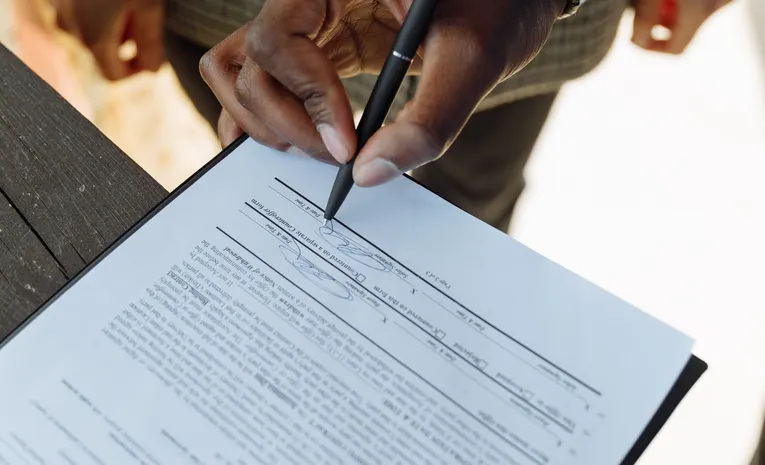
Comprehensive cover gives you more protection, yet it is often cheaper than third party only. Insurers price risk, not the amount of cover: your premium reflects how likely you are to claim, and the type of cover you choose is itself a clue.
Third party only buyers tend, as a group, to be younger, less experienced, or driving older cars in higher risk areas, and that group makes more and costlier claims, so insurers charge more for those policies. Comprehensive buyers tend to be more experienced, with longer histories and better maintained cars, so they are seen as lower risk.
The gap is large. Confused.com median annual premiums for September 2025 to February 2026 were £1,420.32 for third party only, £1,104.08 for TPFT, and £621.06 for comprehensive. Compare the Market found the same pattern in September 2026: 51 percent of customers were quoted under £593.28 for comprehensive cover, a typical saving of £603 over third party only. MoneySuperMarket reports that 56 percent of customers get a cheaper fully comprehensive quote, saving £396.51 on average. These are different samples, so treat them as evidence of the pattern, not a promise about your quote.
| Cover level | Typical annual premium | Source |
|---|---|---|
| Third party only | £1,420.32 | Confused.com, Sep 2025-Feb 2026 |
| Third party, fire and theft | £1,104.08 | Confused.com, Sep 2025-Feb 2026 |
| Comprehensive | £621.06 | Confused.com, Sep 2025-Feb 2026 |
Never assume third party cover is the cheap option. Get quotes for all three levels for the same driver and car. Young drivers can also cut a comprehensive quote with a black box policy, which shows the insurer how safely they drive.
Which type of car insurance should you choose?
The right level depends on your car, your budget, and how much risk you can afford. Always check the actual quotes: the sensible answer is often comprehensive.
| Your situation | Cover level to consider first | Why |
|---|---|---|
| New or nearly new car | Comprehensive | Only comprehensive pays for your own car after a fault accident |
| Car worth a few thousand pounds | Comprehensive first | Often cheaper, and covers accidental damage too |
| Old car worth a few hundred pounds | Third party only or TPFT | Repairs may cost more than the car is worth |
| High theft or fire risk where you park | TPFT at minimum | Third party only pays nothing if the car is stolen or burns |
| Young or new driver with no claims history | Comprehensive, with quotes compared | Third party only is often dearest for young drivers |
| You could not afford a surprise repair bill | Comprehensive | Only level that pays for your own car, whatever the cause |
If your car were written off tomorrow in an accident that was your fault, third party only or TPFT would leave you with nothing, while comprehensive would pay for repair or replacement, less your excess. If losing the car would leave you without transport or the money to replace it, comprehensive is the safer choice.
Your no claims bonus matters too: a fault claim usually cuts it by two years, so weigh small claims against paying for the repair yourself. Our guide to what is no claims bonus in the UK explains the scale and the step back. If you have just bought a car, our guide to how to negotiate car price with a UK dealer can help you pay a fair price, and our guide to how much a car service costs in the UK sets out typical prices for an older car.
What does comprehensive car insurance not cover?
The name fully comprehensive is slightly misleading: no policy covers every situation. Wear and tear is not covered, and neither are mechanical and electrical faults. For example, DPF problems and their symptoms are a repair cost your insurer will not pay for, and genuine parts can be expensive, so budget for running costs.
Breakdown cover is usually separate, so check before you assume you are covered if the car will not start. Our breakdown cover comparison explains the main options. Drink driving is excluded, as is undeclared business use on a social and commuting policy. Personal belongings are often covered only up to a limit. Finally, GAP insurance covers the gap between what your insurer pays and what you still owe on finance, and it is not part of a standard comprehensive policy.
Can you drive someone else’s car on comprehensive cover?
Many comprehensive policies include cover to drive other cars, but it is widely misunderstood. If yours includes it, you can drive another person’s car with their permission, but the cover is normally third party only: it covers damage you cause to others, not to the car you are driving.
Not every policy includes it. Some insurers only offer it above a certain age, some exclude cars owned by someone in your household, and some require the other car to be insured by its owner too. Check before you borrow a car, and if you drive it regularly, ask to be added as a named driver instead.
Frequently asked questions
Is third party car insurance the legal minimum in the UK?
Yes. Third party only is the minimum you must hold to drive legally under the Road Traffic Act 1988. The only exception is a car with a SORN from the DVLA.
Is comprehensive car insurance cheaper than third party insurance?
Often, yes. Comparison site data consistently shows comprehensive costing less than third party only for the same driver and car. Always compare all three levels.
What is the difference between third party and third party, fire and theft?
It adds cover for your own car if it is stolen or damaged by fire. It still does not cover accidental damage to your own car, so if you cause a crash, your own repair bill is not paid.
Does comprehensive car insurance cover everything?
No. It does not cover wear and tear, mechanical faults, or drink driving. Breakdown cover and GAP insurance are usually separate add-ons.
Can I switch from third party to comprehensive cover?
Yes, you can change it at renewal, and many insurers let you change it mid-policy, although you may pay an administration fee and extra premium. Renewal is usually the cheapest time to switch.