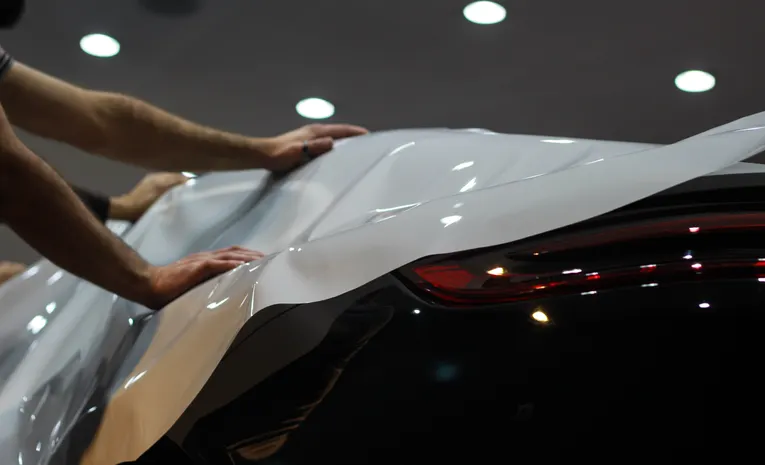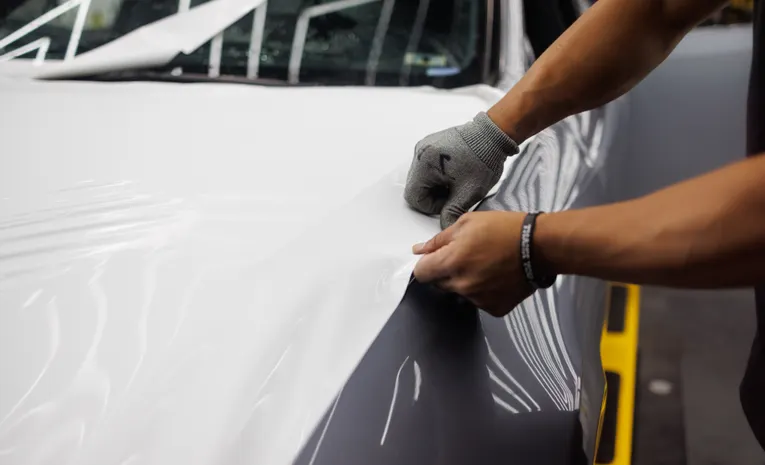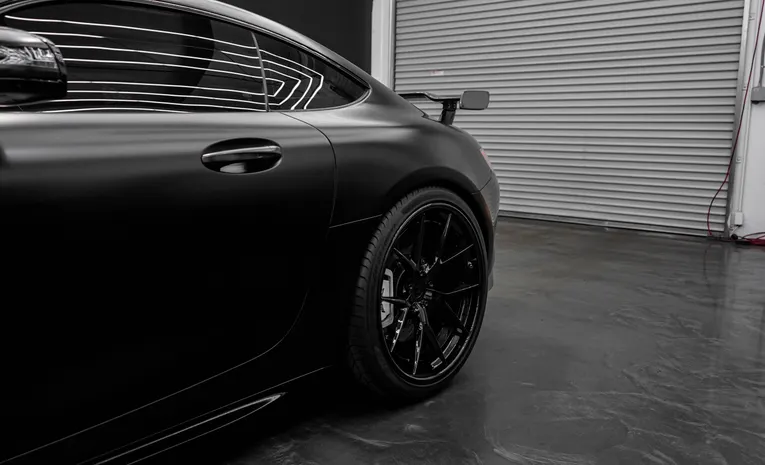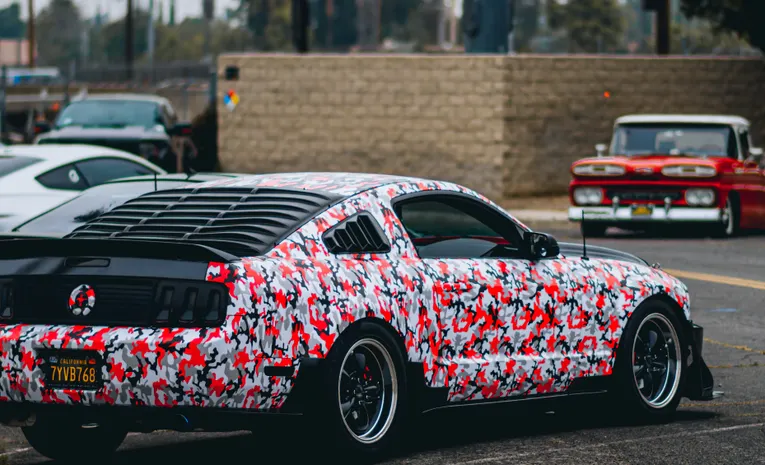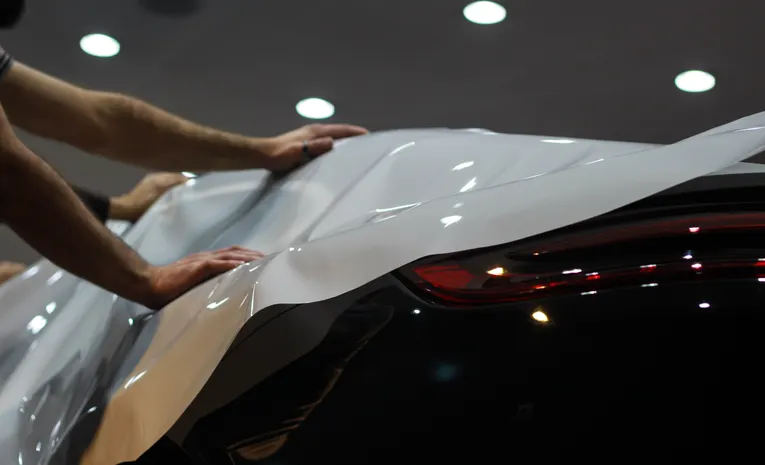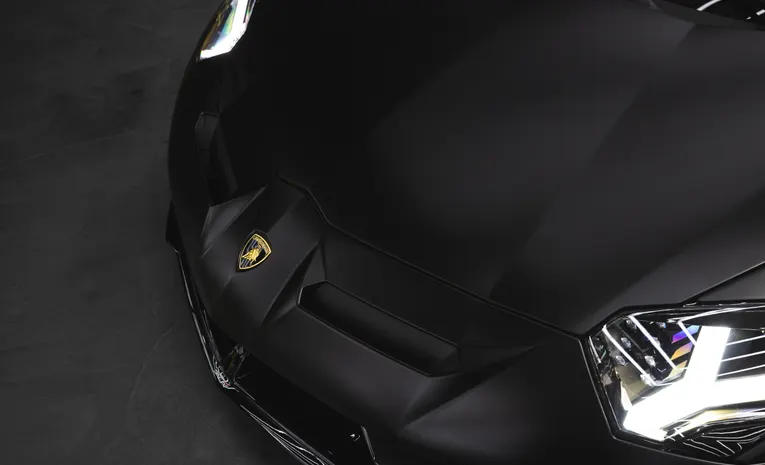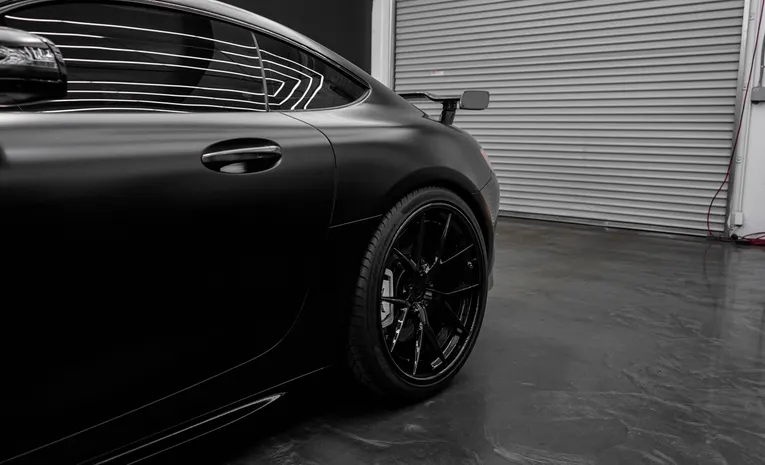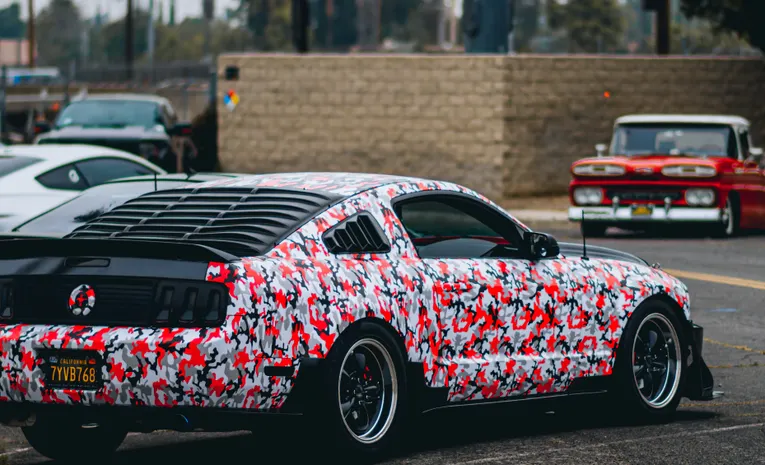

DIY vinyl wrap kits promise a fraction of the cost of a professional job, with rolls of self adhesive vinyl available online for a few hundred pounds. But is fitting one yourself actually worth it? Here is an honest look at DIY car wrap kits, including what they involve, common pitfalls and when professional installation makes more sense.
What Comes in a DIY Car Wrap Kit?
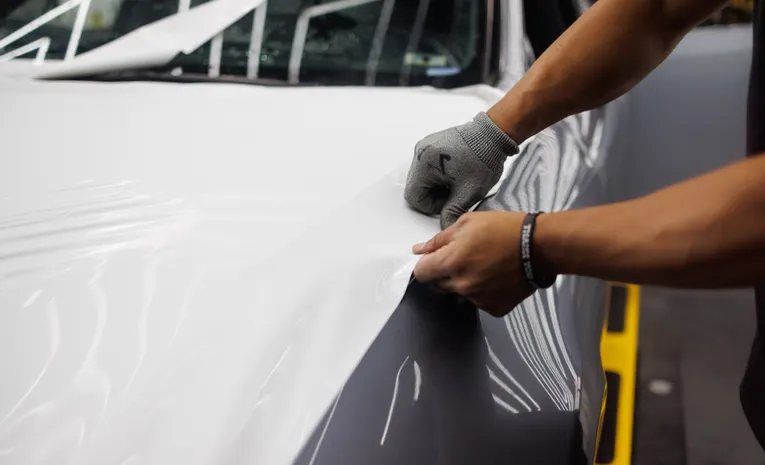
A typical DIY kit includes rolls of self adhesive vinyl, a heat gun or hairdryer for stretching the film around curves, a squeegee for smoothing out air bubbles, and a cutting tool for trimming excess material around edges and panel gaps. Kits are sold by panel or as full car sets, with prices for a full car kit typically ranging from £150 to £400 depending on brand and finish.
Pros of DIY Car Wrapping
- Lower upfront cost: material alone is far cheaper than paying for professional labour.
- Flexibility: you can wrap a single panel, such as a bonnet or mirrors, without booking a full appointment.
- Learning experience: many enthusiasts enjoy the process and use it to build skills for future projects.
Cons of DIY Car Wrapping
- Higher risk of bubbles and creases: without practice, air pockets and uneven stretching are common, particularly around curved panels such as wing mirrors and bumpers.
- No workmanship guarantee: if the wrap lifts or peels, there is no professional warranty to fall back on.
- Time consuming: a full DIY wrap can take a novice a full weekend or longer, compared with one to three days for a professional installer.
- Wasted material: mistakes often mean cutting fresh vinyl, which can push the total cost close to professional pricing once wastage is factored in.
Is a DIY Car Wrap Kit Worth It?
DIY kits make the most sense for small, flat panels such as bonnets, roofs or interior trim, where mistakes are cheaper to fix and curves are less complex. For a full exterior wrap, particularly on a car with tight curves around the bumpers, mirrors and pillars, professional installation is usually worth the extra cost for a smoother, longer lasting finish.
Frequently Asked Questions
How long does a DIY car wrap last?
A well applied DIY wrap can last one to three years, though this is typically shorter than a professional wrap due to less precise edge sealing and stretching.
What tools do I need for a DIY car wrap?
At minimum you will need vinyl film, a heat gun, a squeegee, a sharp cutting knife and isopropyl alcohol to clean the surface before application.
Can beginners wrap an entire car themselves?
It is possible but challenging. Most beginners find greater success starting with a single flat panel before attempting a full exterior wrap.
Related reading: want to compare colours before you start? See our car wrap colours and finishes guide.
Written by the Apriliapartsbuyer editorial team, covering UK car customisation and DIY guides.