
Walk into a motorcycle showroom and you will see bikes that look very different from each other, even though they all have two wheels and an engine. Some are built for speed, some for comfort, some for long trips, and some for short rides around town. The shape, the riding position and the engine all point to the job the bike was made to do. This guide explains the main motorcycle types in plain terms, who each type suits, and what to watch for before you choose one.
Sport Bikes
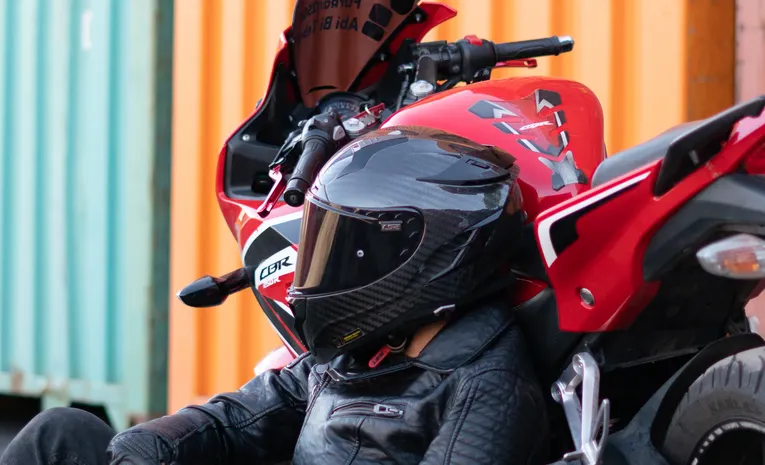
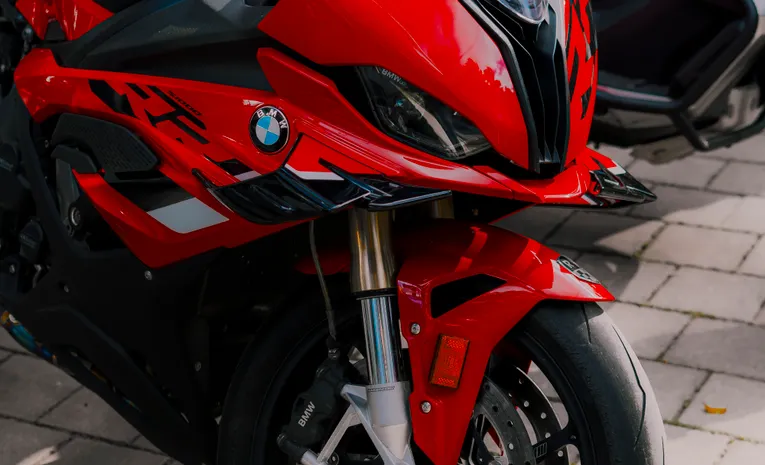
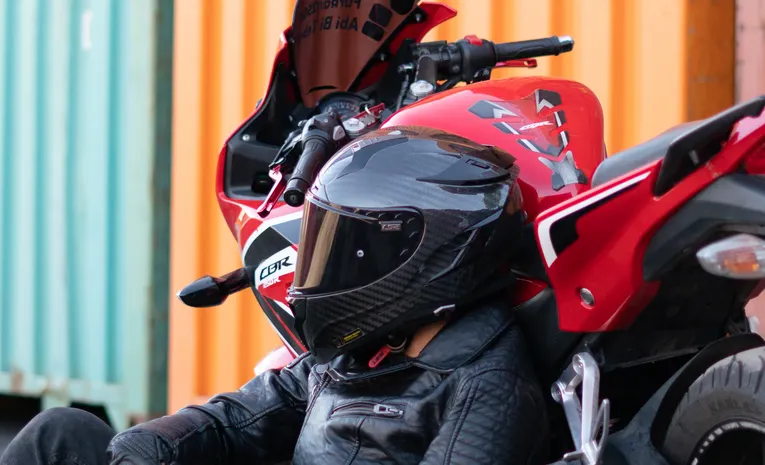
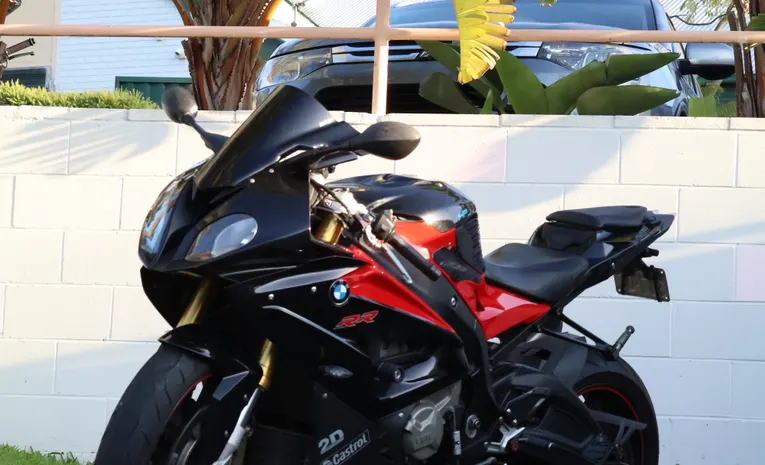
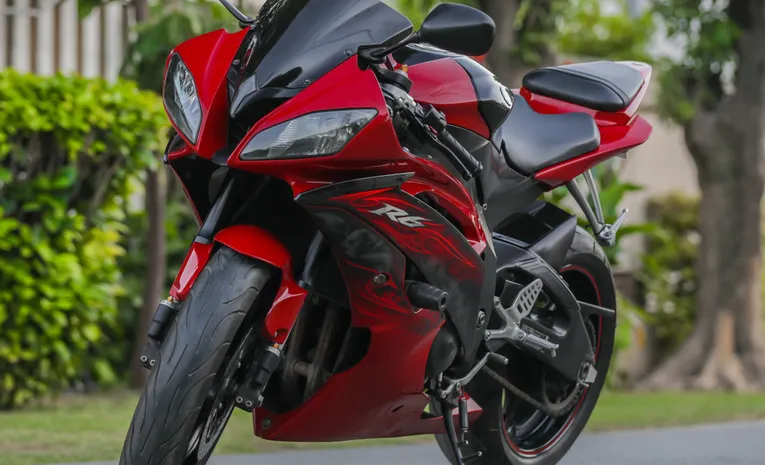
Sport bikes are built for speed, sharp handling and cornering. The rider leans forward over the tank, the footrests sit high, and the fairing cuts through the wind. That position works well on a fast road or a track day, but it can feel hard on the wrists, neck and back on a long commute. Sport bikes often have larger engines, and they reward a rider who is confident with throttle control and braking. The Suzuki GSX-R and the Yamaha R6 are two well known examples. Pros include strong performance and precise handling. Cons include a committed riding position and higher insurance and running costs. Read the Suzuki GSX-R buying guide before you look at a used sports bike.
Naked Bikes
Naked bikes are sport bikes with the fairing removed, so the engine and frame are on show. The rider sits upright, with a wide handlebar and a more relaxed position than on a full sports bike. That makes them easier to ride in town, easier to see over traffic, and more comfortable for everyday use. They still have plenty of performance, but they feel more forgiving than a focused sports machine. Typical engines range from small learner bikes to larger middleweight machines. The Yamaha MT-07 and the Honda CB650R are two well known examples. Pros include an upright position, good visibility and easy handling. Cons include less wind protection at motorway speed and a look that will not suit everyone.
Cruisers
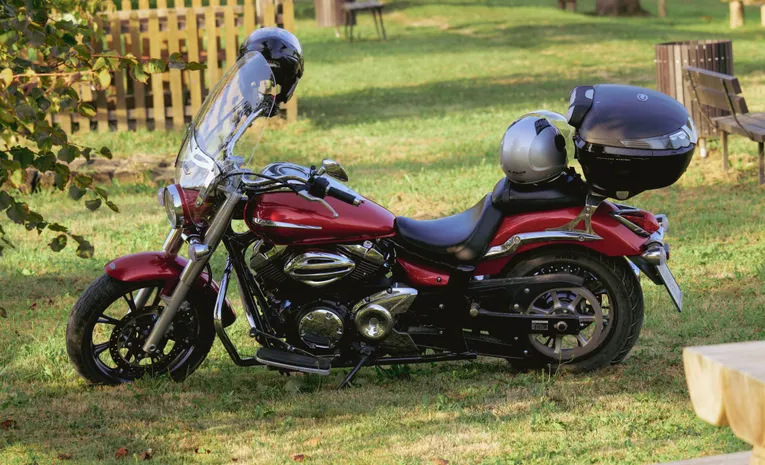
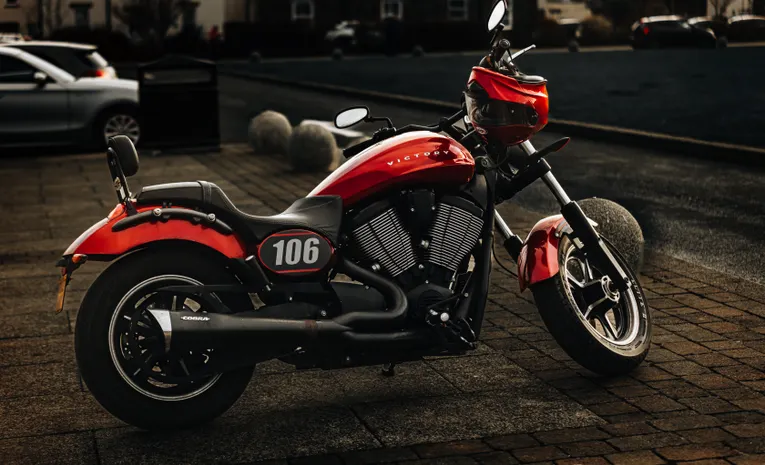
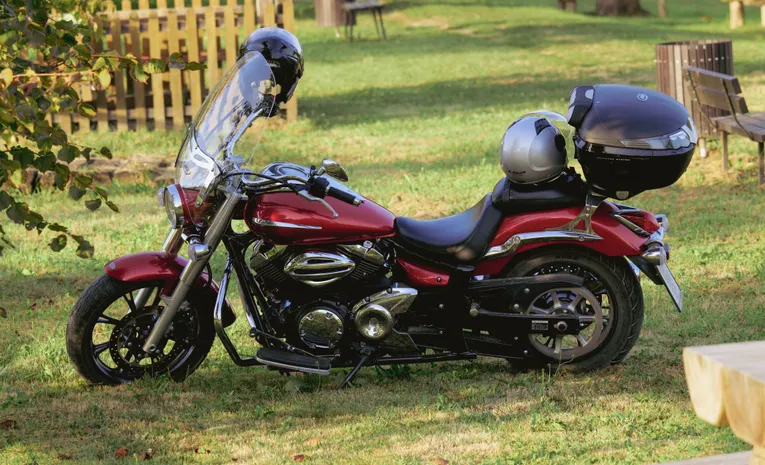
Cruisers are built for relaxed riding and style. The seat is low, the handlebars are wide, and the rider sits with feet forward. That low seat makes it easy to put a foot down at a junction, and the relaxed position suits slow and steady riding. Cruisers are not made for fast cornering or for carrying a lot of luggage, and their weight can make them hard to move at low speed. They often have larger engines that deliver power in a smooth and unhurried way. The Harley-Davidson Sportster and the Honda Rebel are two well known examples. Pros include comfort, a low seat and a classic look. Cons include limited cornering clearance and a heavy feel in town.
Adventure Bikes
Adventure bikes are built for long trips on roads and on light off road tracks. They have an upright and commanding riding position, long travel suspension, and room for luggage. The tall seat gives a good view of the road, and the bike can cope with rough surfaces, gravel and potholes better than a road focused machine. The trade off is height and weight. A tall adventure bike can be hard to manage if you are short, and it can feel wide in traffic. Typical engines are middleweight and larger. The BMW R 1250 GS and the Yamaha Tenere 700 are two well known examples. Pros include comfort on long trips, good visibility and versatility. Cons include a tall seat and extra weight.
Scooters and Mopeds
Scooters and mopeds are the simplest way to ride in a city. They have a step through frame, an automatic transmission, and small wheels that make them easy to steer at low speed. There is often storage under the seat, and the rider sits upright with feet flat on the floorboard. They are cheap to run, easy to park, and ideal for short commutes and local errands. They are not made for motorways or for long trips, and their small wheels can feel less stable on rough roads. The Honda PCX and the Vespa GTS are two well known examples. Pros include ease of use, low running costs and handy storage. Cons include limited speed and limited range. A moped can be ridden from 16 with an AM licence, while larger scooters need a higher category.
Touring Bikes
Touring bikes are made for long distance comfort. They have a large fairing for wind protection, a comfortable seat, room for a passenger, and built in luggage. Some have heated grips, a large screen and a sound system. That comfort comes with size and weight. A touring bike can feel heavy at low speed and hard to park, and it needs a confident rider to handle it well. Typical engines are large, and the bikes are built to cruise for hours without strain. The Honda Gold Wing and the BMW K 1600 are two well known examples. Pros include comfort, storage and a relaxed cruise. Cons include weight, size and higher purchase and running costs.
Whichever type you choose, you will deal with the same core components, see our ultimate guide to bike parts or auto parts.
Motorcycle Types Comparison
| Type | Typical CC Range | Licence Needed | Best For | Riding Position |
|---|---|---|---|---|
| Sport | Often 600cc and above | A2 or A, depending on power | Speed, cornering, track days | Forward leaning |
| Naked | 125cc to larger middleweight bikes | A1, A2 or A, depending on power | Commuting and all round riding | Upright |
| Cruiser | Often larger engines | A2 or A, depending on power | Relaxed riding and style | Relaxed, feet forward |
| Adventure | Middleweight to large | A2 or A, depending on power | Long distance and mixed terrain | Upright and commanding |
| Scooter and Moped | Up to 50cc for mopeds, larger for scooters | AM for mopeds, A1 and above for larger scooters | Short commutes and city riding | Step through, upright |
| Touring | Large | A, in most cases | Long distance travel with a passenger | Upright and relaxed |
How to Choose the Right Motorcycle Type
Choosing a type starts with being honest about how you will ride. A bike that is perfect for a weekend tour can be the wrong choice for a daily commute, and a bike that is fun on a track can feel tiring in town. Use these five steps to narrow the choice.
- Be honest about your riding. Think about your daily route, how far you ride, whether you carry a passenger, and whether you plan weekend trips or touring. Commuting, weekend riding and touring point to different types.
- Sit on the bike and check seat height and reach. You should be able to put a foot down with confidence, reach the bars without stretching, and move the bike at low speed. A tall or heavy bike that feels wrong in the showroom will not feel better on the road.
- Start smaller if you are new. A lighter bike is easier to learn on, cheaper to run, and more forgiving when you make a mistake. You can move to a larger type later, with more skill and confidence.
- Think about running costs and insurance. Compare insurance quotes, fuel use, tyre costs and servicing for the models you like. A type that looks cheap to buy can still be costly to run. Our motorcycles by cc guide explains how engine size affects running costs.
- Test ride before you buy. A short ride tells you more than a brochure. Check the riding position, the weight at low speed, the brakes, and how the bike feels in traffic. Take your time, and try more than one type if you can.
Check your licence before you buy, using our guide to how to get a full motorcycle licence in the UK and the A1 vs A2 licence comparison. Also read motorcycle gear essentials so you budget for a helmet, jacket and other kit as well as the bike.
What About Electric Motorcycles?
Electric motorcycles are growing in number, and they suit riders who want simple and quiet transport with low running costs. An electric motor gives instant torque, so the bike pulls away smoothly and quickly, and there is no need to change gear in the usual way. Charging at home can be convenient, and servicing is often simpler because there are fewer moving parts. Licence rules still apply by power. The same 11 kW and 35 kW bands that apply to petrol bikes guide which electric bikes you can ride on A1 and A2 licences, so check the power of the model you are considering before you buy. Range, charging time and the weight of the battery are also worth checking, especially if you plan longer trips.
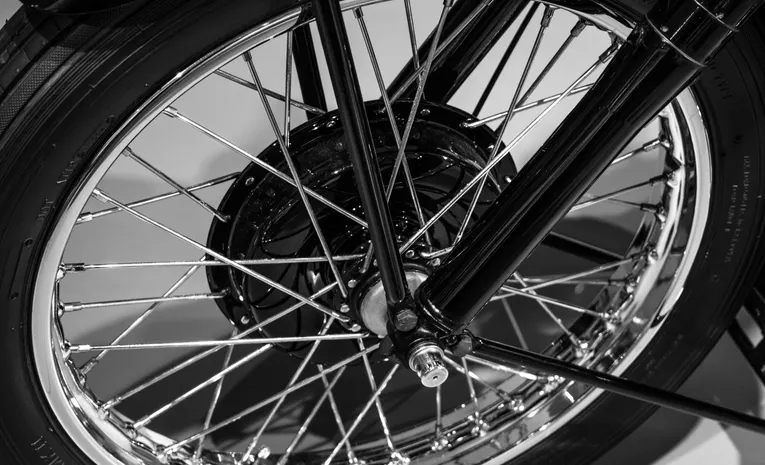
Electric bicycles work differently, they use a hub motor built into the wheel, explained in our guide to hub motors for e-bikes.
Frequently Asked Questions
Which motorcycle type is best for commuting?
A naked bike or a scooter is often best for commuting. Naked bikes are upright, easy to see from, and easy to handle in traffic. Scooters are even simpler, with automatic transmission and storage under the seat. Choose based on your distance, your licence, and whether you need to use a motorway.
What type suits long distance touring?
A touring bike or an adventure bike suits long distance riding best. Touring bikes offer the most comfort and storage, while adventure bikes offer a more upright position and the ability to cope with rougher roads. Both need a confident rider, because they are large and heavy.
Can a beginner start on an adventure bike?
Yes, if the bike is light enough and your licence covers it, but a large adventure bike is not the easiest first bike. Its tall seat and weight can make low speed handling harder. A smaller adventure style bike, or a naked bike, is often a better first step.
What is the best motorcycle type for beginners?
A naked bike or a small sport bike is often a good first choice, because they are light, easy to handle and not too powerful for a new rider. Start with a bike that matches your licence and your confidence, and build up from there.
What is the difference between a naked bike and a sport bike?
A sport bike has full fairing, a forward leaning riding position and a focus on speed and handling. A naked bike has the same idea without the fairing, with a more upright position and easier everyday use. The engine and basic design can be similar, but the ride feels very different.