
Choosing a motorcycle by engine size sounds simple. A bigger number should mean a bigger bike, more power and more speed. In practice, the right size depends on your licence, your experience, where you ride and how much you want to spend on running the bike. Engine size, measured in cubic centimetres and usually written as cc, tells you how much air and fuel the engine can take in with each cycle. It gives a useful guide to power and character, but it does not tell the whole story. This guide explains the main cc bands in plain terms, what each band feels like on the road, and how UK licence rules shape the choice you can make.
Motorcycle CC and Your UK Licence
In the UK, cc alone does not decide what you can ride. Your licence category and its power limit do. A small bike can still be off limits if it makes more power than your licence allows, and a larger bike can be legal for some riders if it has been restricted to meet the limit. That is why it helps to look at licence rules before you look at models, prices or styling. The table below sets out the main categories, using the rules published by GOV.UK.
| Licence category | Minimum age | Max cc and power | How to get it |
|---|---|---|---|
| AM | 16 | Mopeds up to 50cc | Compulsory basic training and licence tests for mopeds |
| A1 | 17 | Up to 125cc, maximum 11 kW, power to weight up to 0.1 kW per kg | CBT, theory test and practical test, Module 1 and Module 2 |
| A2 | 19 | Up to 35 kW, power to weight up to 0.2 kW per kg, bike must not be derived from a vehicle with more than twice its power | Direct access with theory and practical tests, or two years on A1 plus a practical test |
| A | 24 direct access, or 21 by progressive access | Any size and power | Direct access from 24, or two years on A2 plus a practical test from 21 |
A CBT certificate is valid for two years. With a CBT you can ride a 125cc motorcycle with L plates from age 17, but you cannot carry a passenger and you cannot use a motorway. Your practical test must be passed within two years of your theory test, so plan the two parts together rather than leaving a long gap between them. If you want the full picture, read our guide to how to get a full motorcycle licence in the UK and our guide to what age you can ride a moped or motorcycle in the UK. The A1 vs A2 licence comparison also helps if you are choosing between the first two full categories.
50cc to 125cc: Beginner and Commuter Bikes
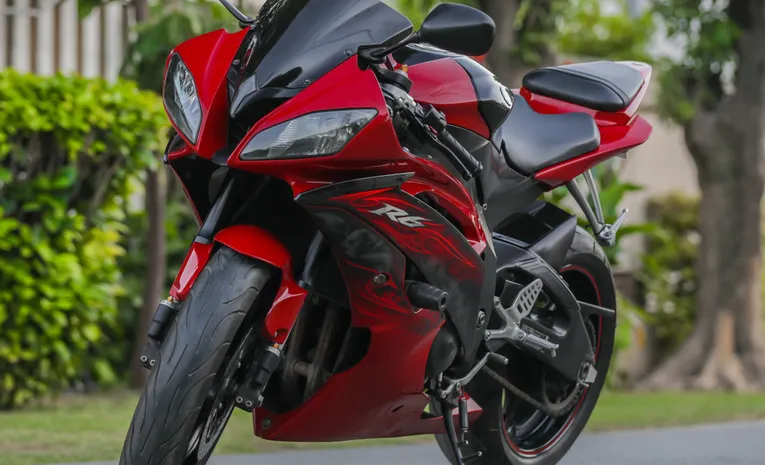
A 50cc moped is light, simple and made for short trips around town. It is a gentle way to learn road sense, and it suits a rider who wants cheap and easy transport for local journeys. A 125cc bike feels like a real step up. It can keep up with city traffic, it is still light enough to move around at low speed, and it is a popular choice for commuting and for learning. Two well known models in this band are the Honda CB125F, which is aimed at practical everyday riding, and the Yamaha YZF-R125, which has a sporty look and a more committed riding position. Both show how much choice there is even at the small end of the range.
250cc to 400cc: Confident Learners and New Riders
Bikes from 250cc to 400cc fill the gap between a learner bike and a full size machine. They have enough power for faster roads without the weight and sharp response of a large sports bike, and they are often easier to handle in traffic and in tight turns. This band suits a rider who has passed the first tests and wants to build confidence on longer journeys and on roads outside town. The KTM 390 Duke is a light naked bike that feels lively in town and on country roads, while the Kawasaki Ninja 400 has a faired sports style and a smooth and friendly feel for a newer rider.
500cc to 650cc: Everyday All Rounders
A bike from 500cc to 650cc is a strong all rounder. It can cruise at motorway speed without strain, it can carry luggage for a weekend away, and it is still light enough for daily use. This is often the band where riders settle after a first bike, because it offers useful power without demanding the skill and strength that a very large bike needs. Two well known examples are the Yamaha MT-07, a naked bike that is easy to ride and easy to live with, and the Honda CB650R, which has a more classic sports naked style and a smooth feel on longer rides.
Whatever size you pick, the parts matter as much as the engine, see our ultimate guide to bike parts or auto parts.
750cc to 1000cc: Experienced Rider Territory
Bikes from 750cc to 1000cc are for riders who are already confident with throttle control, braking and cornering. The extra power makes overtaking easier and makes the bike feel more relaxed at speed, but it also means that a small mistake with the throttle has a bigger result. This band includes fast naked bikes and sports bikes that are built for performance, and it suits riders who ride often and who know what they want from a bike. The Suzuki GSX-R750 is a focused sports bike with a sharp and direct feel, while the Yamaha MT-09 is a larger naked bike that is strong on the road and more upright in its riding position.
1000cc and Above: Performance and Touring
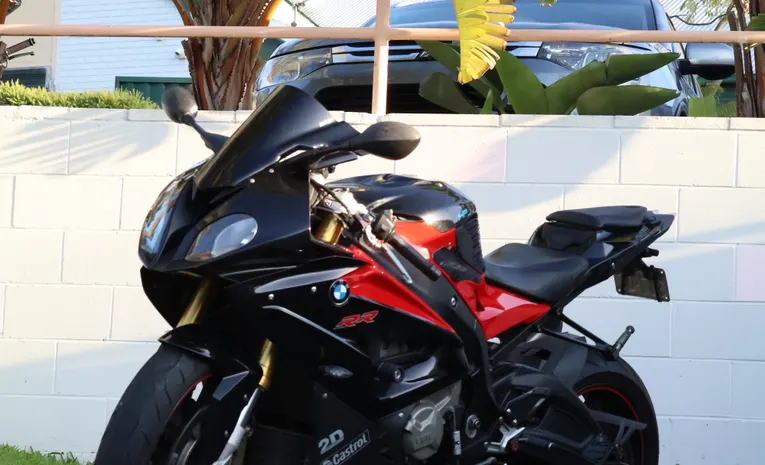
The largest bikes are built for maximum power and for long distance comfort. They can carry a passenger and luggage with ease, they settle into a relaxed cruise on a motorway, and they have the power to make overtaking feel calm rather than rushed. They are also heavier, wider and more demanding at low speed, so they suit experienced riders who are comfortable with the weight. The BMW R 1250 GS is a large adventure bike that is popular for touring and for long trips, while the Yamaha YZF-R1 is a high performance sports bike that is built for speed and sharp handling. Neither is a sensible first bike, but both show what the top of the range can do.
Running Costs and Insurance by Engine Size
Smaller engines usually cost less to run. Insurance tends to be lower, fuel use is usually lighter, and tyres and brakes often last longer because the bike is lighter and less powerful. That can make a real difference over a year of commuting, especially if you ride every day. A smaller bike is also often cheaper to service, and it is easier to move, park and store, which matters if you have limited space at home.
Larger engines bring higher premiums, and they can wear tyres and brakes faster, especially if the bike is ridden hard. Servicing can also cost more, and a larger bike may use more fuel on short trips. These are general patterns rather than fixed rules, so compare insurance quotes for the exact model you are considering, and think about how many miles you will ride each year. A bigger bike that sits in a garage for most of the week may still cost more to insure than a smaller bike that you ride every day.
Common Mistakes When Choosing Engine Size
The most common mistake is buying too much bike too soon. A large and powerful bike can feel exciting on a test ride, but it can also feel heavy, nervous and hard to control in traffic, on a wet road or in a tight turn. Confidence grows faster on a bike that you can handle with ease, and you can always move up later when your skills have caught up.
- Choosing only on cc and ignoring power and weight. Two bikes with the same cc can feel very different. A light bike can feel quick and lively, while a heavy bike with the same engine size can feel slow and hard to move. Look at power, weight and how the bike delivers its power, not cc alone.
- Forgetting licence limits. Check that your licence covers the bike you plan to buy, including any power restriction. Riding a bike your licence does not cover can invalidate your insurance and can lead to serious legal trouble, so check before you pay.
- Ignoring how and where you will ride. A sports bike can feel cramped on a long commute, and a large touring bike can feel heavy in town. Think about your daily route, your storage, your budget for insurance and servicing, and whether you will carry a passenger, before you choose a size.
Frequently Asked Questions
Can I ride a 600cc bike on an A2 licence?
Yes, in some cases. A 600cc bike can be ridden on an A2 licence only if it has been restricted to 35 kW and it was not derived from a vehicle with more than twice its power. Check the restriction and the original power before you buy, and keep the paperwork that proves the bike meets the limit.
Do I need a full licence for a 125cc?
No. With a CBT certificate you can ride a 125cc motorcycle with L plates from age 17. You cannot carry a passenger and you cannot ride on a motorway until you hold a full licence. A full A1 licence removes the L plates and the need to renew your CBT, and it lets you carry a passenger.
Is a bigger cc always faster?
No. Power, weight and gearing matter as much as engine size. A light bike with a lower cc can feel quicker than a heavy bike with a larger engine, especially when you pull away from a junction or ride on a winding road. Aerodynamics and how the power is delivered also play a part, so compare how a bike feels rather than looking at cc alone.
Is 600cc too much for a beginner?
It can be, especially if it is a sports bike with a sharp throttle and a high power output. A 600cc bike that has been restricted for an A2 licence is a different prospect from a full power sports bike, but it still rewards smooth control and good road sense. Most new riders learn faster and enjoy riding more when they start on a smaller and lighter bike.
What cc is best for a first motorcycle?
For most new riders, a 125cc to 400cc bike is a sensible place to start. It is light enough to handle with confidence, it is cheaper to run and insure, and it still has enough power for commuting and for country roads. Your licence, your height and reach, and the type of riding you plan to do should guide the final choice. Read our motorcycle types explained guide to see how engine size and riding position work together, and check motorcycle gear essentials before you buy a helmet, jacket or storage.