
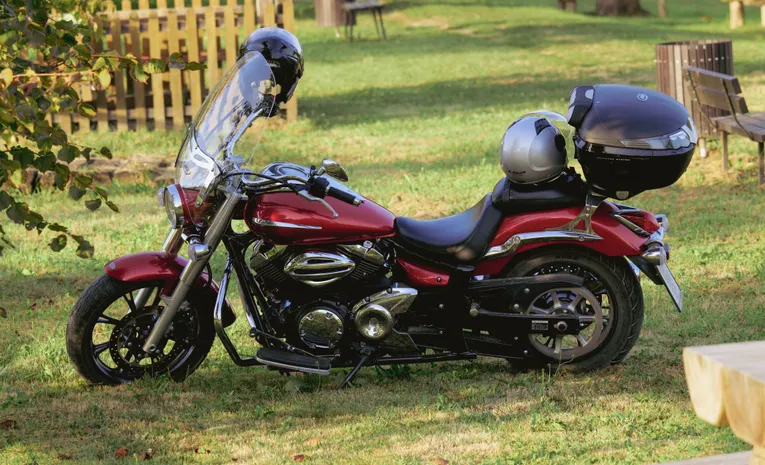
From a learner legal 125 to a 1990s classic, the Suzuki GSX-R name covers almost every stage of a rider’s life. The range has sharp sports bike styling, strong engines for its size, and a model for almost every licence. It also has a few traps for the unwary, especially the grey import GSX-R400 and the ageing SRAD. This guide looks at the 125, the 400, the 600 and 750, and the SRAD in turn, and explains which licence each one needs.
The GSX-R125: The Learner Legal Starting Point
The GSX-R125 has been on sale since 2017, and it is the natural place to start. It uses a 124.4cc engine producing 15 bhp, so it is learner legal, and it returns around 100 mpg, which keeps day to day running costs low. The riding position is committed and the styling is closely based on the larger GSX-R models, so it looks and feels like a proper sports bike rather than a dressed up commuter. It is light and slim, and it is forgiving enough for a rider who is still building confidence. The trade off is straightforward. Fifteen brake horsepower is enough for town riding and A roads, but the bike has to be worked hard on faster roads, and it will not suit a rider who wants to carry a passenger over long distances. It works best as a first sports bike.
The GSX-R400: A Japanese Domestic Market Classic
The GSX-R400 is the most interesting bike in this guide, and also the one that needs the most homework. It is a Japanese domestic market bike, produced from 1984 to 1992, with some sources listing production to 1996. It was never officially sold in the UK, so every UK example is a grey import. The engine is a 398cc liquid cooled double overhead camshaft inline four, producing 59 PS, or 43.4 kW, at 11,000 to 12,500 rpm, through a six speed gearbox. Dry weight is about 152 to 167 kg depending on the year. Early bikes, from 1984 to 1987, were carburetted, while bikes from 1988 to 1992 were fuel injected. On the road, the 400 is a revvy, focused machine. The engine needs to be kept spinning to give its best, and the bike feels far smaller than a modern 600. Its rivals of the era were the Honda CBR400RR, the Yamaha FZR400 and the Kawasaki ZXR400. The 400 suits collectors, A2 riders who are happy to run it with a restrictor, and track day fans who want a light, high revving bike. The real cost is not the purchase price. It is parts. Original equipment parts are scarce outside Japan, and rubber hoses, gaskets and wiring degrade with age even on a low mileage bike. Check the import paperwork carefully, and walk away from any example with a vague history, because a tidy 400 is a joy while a rough one can become a long project.
GSX-R600 and GSX-R750: The Mainstream Choices
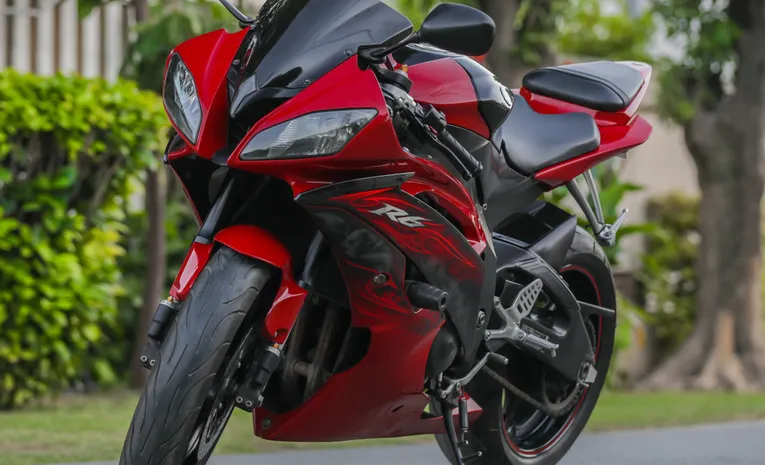
For most used buyers, the GSX-R600 and the GSX-R750 are the sensible heart of the range. They are the volume used buys, so they are much easier to find and to maintain than the 400. Choice is wider, parts supply is better, and there are far more bikes to compare before you commit. The 600 suits a rider who wants a full size sports bike that still feels manageable, with sharp handling and an engine that rewards revs. The 750 suits a rider who wants a bit more pull through the middle of the rev range, without stepping up to a litre class machine. Later 600 and 750 models are the practical modern buys in the range. The SRAD, by contrast, is bought as a classic, with period character and period compromises.
The GSX-R750 SRAD: The 1990s Modern Classic
The SRAD arrived in 1996, and it has become a modern classic for good reason. SRAD stands for Suzuki Ram Air Direct, the name Suzuki gave to the ram air system on the 750cc inline four. The bike is instantly recognisable by its distinctive bulbous tail, and it captures the 1990s sports bike at its boldest, with period styling and a riding character that later, more polished bikes moved away from. Originality and history matter more than mileage alone on a bike that is around 30 years old. Look for a bike that is largely as Suzuki built it, with its original bodywork, clocks and exhaust where possible, and a service history that shows regular care. Check for corrosion on the frame, fasteners and exhaust, and look closely for crash damage and poor repairs. Prices vary widely by condition and originality, so judge each bike on its own merits.
Which Licence Do You Need for a GSX-R?
Licence rules cause more confusion around the GSX-R400 than any other model. An A1 licence caps at 125cc and 11 kW, which means it only covers a bike like the GSX-R125. A 400cc bike producing 59 PS, or 43.4 kW, is far above that limit, so it can never be ridden on A1. The GSX-R400 needs an A2 licence with a restrictor fitted to bring it down to 35 kW, or a full category A licence. The GSX-R125, by contrast, can be ridden on Compulsory Basic Training or on A1. The 600, the 750 and the SRAD need a full category A licence only.
| Model | Engine Size | Licence Needed |
|---|---|---|
| GSX-R125 | 124.4cc | CBT or A1 |
| GSX-R400 | 398cc | A2, restricted to 35 kW, or full category A |
| GSX-R600 | 600cc class | Full category A |
| GSX-R750, including SRAD | 750cc | Full category A |
Buying a Used GSX-R: What to Check
A used GSX-R can be a superb buy, but sports bikes lead hard lives, so work through these checks on every viewing.
- Service history: look for regular servicing with receipts, especially on the SRAD and the 400.
- Frame cracks: check around the steering head and the subframe welds. Any crack is a reason to walk away.
- Blue smoke: smoke on start up or under load can point to oil burning, a costly problem on an older engine.
- Valve clearances: ask when they were last checked. They need regular checks, about every 6,000 miles.
- Compression test: a reading above 160 psi per cylinder is a good sign that the engine is healthy.
- Rust and accident damage: check the frame, forks, wheels and fasteners for rust and mismatched paint.
- Electricals and rubber parts: test the lights, switches and instruments. Rubber hoses and wiring degrade with age even on low mileage bikes.
- Tyres and brakes: check tyre age and tread, and feel for pulsing or grinding from the brakes.
- Aftermarket parts: be wary of aftermarket parts with no paperwork, and of undocumented modifications.
- Replaced speedometers: a replaced speedometer can mean the mileage shown is not the true mileage.
- Import paperwork for the 400: check that the paperwork matches the frame and engine numbers.
Frequently Asked Questions
Can I ride a GSX-R400 on an A1 licence?
No. An A1 licence caps at 125cc and 11 kW, and the GSX-R400 is a 398cc bike producing 59 PS, or 43.4 kW. It needs an A2 licence with a restrictor fitted to 35 kW, or a full category A licence.
Is the GSX-R400 a good first big bike?
It can be, but only with a restrictor on an A2 licence and only if you find a clean, well maintained example with complete import paperwork. Parts scarcity is the real cost, so buy on condition rather than on price alone.
What is SRAD?
SRAD stands for Suzuki Ram Air Direct. It is the ram air system fitted to the GSX-R750 that arrived in 1996, and the name has stuck to that model ever since. The bike is easy to spot by its distinctive bulbous tail.
Related Reading
If you are still deciding which bike and licence suit you, read our motorcycles by cc guide and our motorcycle types explained guide. For licences, see A1 vs A2 licence and how to get a full motorcycle licence in the UK. Before you ride, check our motorcycle gear essentials guide as well.