
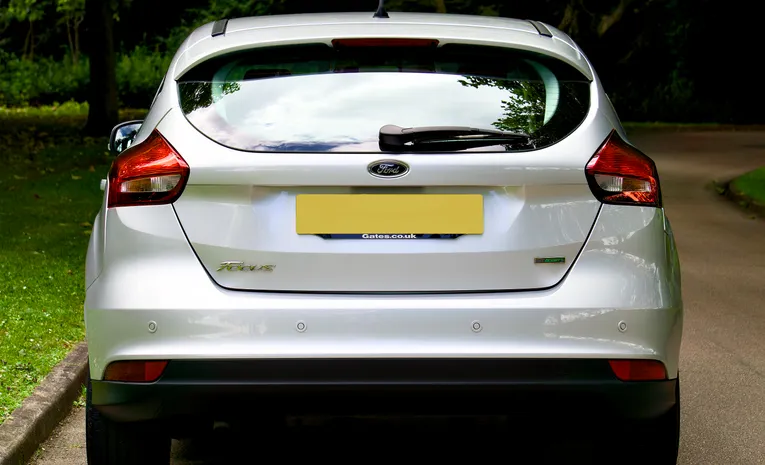
The Ford Fiesta Mk7 facelift, built from 2013 to 2017, is a strong used buy if you check one thing first: the 1.0 EcoBoost wet belt. Ford says replace it at 10 years or 150,000 miles, but specialists advise 6 years or 100,000 miles. Also avoid pre-2015 PowerShift automatics, check the ST recalls, and buy from around £4,000.
Which Fiesta Mk7 Is This Guide About?
The Mk7 Fiesta ran from 2008 to 2017 and the Mk8 ran from 2017 to 2023 (Parkers). This guide covers the FACELIFT Mk7, built from 2013 to 2017, often called the Mk7.5, the car with the 1.0 EcoBoost, 1.25 Duratec and 1.5 TDCi engines listed below. Do not confuse it with the 2017 to 2023 car, which many guides also call Mk7 but Ford calls Mk8. That car uses a timing chain, not a wet belt, on most engines (Parkers). Fiesta production ended on 7 July 2023, the last car on a 73 plate (carscreener).
Correction: an earlier version of this guide said the Mk7 was “produced from 2013 to 2017”. That wording was imprecise and has been corrected. The Mk7 ran from 2008 to 2017, and this guide covers the 2013 to 2017 facelift.
Which Engine Should You Choose?
Five engines were offered in the facelift car, and the right choice depends on how you drive. The table below sums up each one.
| Engine | Power | What to know |
|---|---|---|
| 1.0 EcoBoost | 100hp or 125hp (998cc, 170 Nm) | Wet belt, the engine to check first; reliable if serviced regularly with the correct oil |
| 1.25 Duratec | 82hp (a 60hp version also exists) | Naturally aspirated, mechanically simple, suited to light use |
| 1.0 Duratec | 80hp | Simple non-turbo petrol |
| 1.5 TDCi diesel | Diesel | Fuel-efficient; check the DPF and EGR, especially on cars driven mostly in cities |
| 1.6 EcoBoost ST | 182hp, 0 to 62 mph in 6.9 seconds, ST built 2013 to 2016 | Check both ST recalls below |
Sources: auto-data.net, autodata1.com, carscreener.
Correction: an earlier version of this guide gave the 1.25 Duratec as 85hp. That figure was wrong and has been corrected to 82hp (auto-data.net, autodata1.com). The earlier claim that the 1.0 EcoBoost accounted for the majority of Mk7 sales was unsourced and has been dropped.
Insurance costs vary by engine and trim, so read our explanation of car insurance groups before you buy. New drivers should also see the cheapest cars to insure for new drivers, since the Fiesta is a common first car choice. For a wider view of dependable used cars, see our guide to the most reliable used cars in the UK.
What Is the Wet Belt Problem and How Do You Check It?
The biggest concern on any EcoBoost-engined Fiesta Mk7 is the wet belt. A Mk7 Fiesta (2008 to 2017) fitted with a 1.0 EcoBoost uses a wet belt, a rubber belt running inside the engine in oil (Parkers). Unlike a conventional timing belt, this belt runs lubricated by engine oil, and over time it can degrade and fail. When it does, debris can block the oil pickup and scrap the engine (Parkers). Ford officially recommends replacing the wet belt after 10 years or 150,000 miles (Parkers; Aarons Autos; TGPP). Most independent specialists now recommend 6 years or 100,000 miles at the latest (carscreener), and Parkers suggests applying the same thinking as Ford’s revised EcoBlue interval (6 years or 100,000 miles).
Correction: an earlier version of this guide said Ford recommends replacement at 10 years or 100,000 miles. That mixed the two intervals and has been corrected. Ford’s official interval is 10 years or 150,000 miles; 100,000 miles is the specialist recommendation, paired with 6 years.
Replacement costs £800 to £1,400 at an independent (autopartspro) and £1,600 to £2,000 at a main dealer (TGPP). A failed belt can mean an engine replacement of £4,000 to £8,000 (TGPP), so this is not a job to put off. Always verify the belt has been done on any EcoBoost example you are considering, and have a Ford dealer confirm the belt type via the VIN if you are unsure (Parkers). Oil matters here too: the 1.0 EcoBoost oil spec is Ford WSS-M2C948-B, 5W-20 (carscreener). Service intervals are 2 years or 18,000 miles for the 1.0 EcoBoost and 2 years or 20,000 miles for the 1.5 TDCi (carscreener).
Manual or PowerShift Automatic?
The manual gearbox (5 or 6-speed) is standard and reliable, and it is preferred by most owners. The PowerShift dual-clutch automatic, found in some Zetec and Titanium models, is best avoided on pre-2015 units due to widespread clutch and shudder issues. Post-2015 updates improved reliability slightly, but risk remains. A manual or a post-2015 automatic with full service history is the safer choice. Note that the post-2015 improvement is plain guidance from the earlier guide; no source was found to verify it, so the claim has not been strengthened.
What Should You Check Before You Buy?
Work through this checklist in order, and use our used car buying checklist alongside the Fiesta-specific checks below.
- Wet belt records: the single most important check on any EcoBoost engine, plus the oil change history with the correct specification oil.
- ST recalls: recall 17S09 (2017), coolant intrusion and cylinder-head overheating, 2014 to 2015 cars, later extended; recall 22S21, oil separator, fire risk (carscreener). Verify completion before buying.
- Full service history: confirm consistent oil changes using the correct specification oil.
- Cold start behaviour: start the engine from cold and listen for unusual noises in the first 30 seconds.
- Rear tyre wear: the twist-beam rear suspension can develop misalignment after kerb strikes or minor impacts, showing up as uneven rear tyre wear.
- Mileage: check recorded mileages on GOV.UK MOT history, as Auto Express estimates about 1 in 7 used cars has altered mileage (early 2026). A typical UK car covers 7,000 to 10,000 miles a year (carscreener).
| Car | Price from | Source |
|---|---|---|
| Used Fiesta Mk7 | From around £4,000 | carscreener |
| Older ST cars | From £4,500 | Auto Express |
| ST Performance Edition | Up to £22,000 | carscreener |
Correction: an earlier version of this guide described the 1.6 EcoBoost as “fundamentally robust” and mentioned high-mileage examples beyond 200,000km. The first was misleading given the coolant-intrusion issue behind recall 17S09, and the second was unsourced and used kilometres in a UK guide, so both have been dropped.
Frequently Asked Questions
Is the Ford Fiesta Mk7 reliable?
Generally yes, provided the wet belt has been replaced on schedule on EcoBoost engines. The manual gearbox and naturally aspirated engines are particularly dependable.
Should I avoid the Fiesta Mk7 automatic?
Pre-2015 PowerShift automatics have known clutch and shudder issues, so a manual or a post-2015 automatic with full service history is the safer choice.
When should the wet belt be replaced on a 1.0 EcoBoost Fiesta?
Ford officially says 10 years or 150,000 miles, but most independent specialists recommend 6 years or 100,000 miles at the latest (Parkers, carscreener).
How much does a used Fiesta Mk7 cost in 2026?
From around £4,000, with older ST cars from £4,500 and the ST Performance Edition up to £22,000 (carscreener, Auto Express).
What is the difference between the Mk7 and Mk8 Fiesta?
The Mk7 ran from 2008 to 2017 and the Mk8 from 2017 to 2023. The Mk7 1.0 EcoBoost uses a wet belt, while the Mk8 should have a timing chain (Parkers).
Related reading: for other models that fit the same budget, see our guide on the best cars under £10,000.
Written by the Apriliapartsbuyer editorial team, covering UK used car buying guides.