
The Mini Convertible is one of the few small cars that still lets you drop the roof and enjoy a sunny day properly. It keeps the go kart feel, the cheeky styling and the premium cabin of the Mini hatchback, and it adds open air fun that few rivals can match at this size. That makes it a popular used buy, and a tempting one. It is also a car to buy with your eyes open, because the wrong generation, or the wrong engine, can turn a fun second car into a costly headache. This guide explains the three generations, the faults that matter, the best years to buy, and what to check on every viewing.
Mini Convertible Generations: R52, R57, F57
Three generations of Mini Convertible have been sold in the UK, and they are very different cars underneath. Knowing which one you are looking at is the first step in any search. The R52 was the first generation, the R57 replaced it, and the F57 is the most recent and the most reliable to own.
| Generation | Years | Engines | Known for |
|---|---|---|---|
| R52 | 2005 to 2008 | Supercharged Cooper S | First generation, charming but ageing |
| R57 | 2009 to 2015 | Prince engines N12, N14, N16, N18 | Turbocharged Cooper S, timing chain faults |
| F57 | 2016 to 2024 | BMW B38 3 cylinder, B48 4 cylinder | Much more reliable, modern cabin |
The engine range is easy to sum up. The 1.5 litre 3 cylinder produces 136 bhp, the Cooper S uses a 2.0 litre producing 192 bhp, and the John Cooper Works model produces 228 bhp. The older generations need more care. The R52 Cooper S was supercharged, and buyers should avoid the continuously variable transmission, watch for power steering pump issues, and check for rust. The R57 Cooper S was turbocharged, and its Prince engines are where the best known faults sit. The F57 moved to BMW B series engines, and that change is the main reason it is the most reliable generation to own.
Common Problems by Generation
The R57 deserves the most attention here, because its Cooper S used the N14 engine before 2012, and that engine has a notorious fault. The timing chain tensioner can fail, and the first warning is often a rattling noise on startup. A failed tensioner can cause catastrophic engine damage and a very costly repair, so a rattle on a cold start is not a small niggle. It is a reason to walk away unless the timing chain work is fully documented. The same engine can also suffer high pressure fuel pump failures, oil leaks from the valve cover, the oil pan and the turbo, carbon build up on the intake valves, and high oil consumption, especially on cars from 2010 to 2013. The later N18 engine, fitted after 2012, is generally more reliable. The F57 is a calmer story. It has better timing chain components and fewer direct injection issues than the R57. It is not fault free, so watch for coolant leaks from the water pump and thermostat housing, electrical and infotainment niggles, and a harsh ride on run flat tyres.
The roof needs its own warning, because it affects every generation. Hydraulic cylinder and ram seals leak with age, the roof motor can burn out, typically after 5 to 7 years, and the fabric deteriorates after 6 to 8 years, with tears often appearing near the rear window. Weather seals degrade and leak, and microswitch faults can stop the roof mid cycle, leaving it stuck part open. Test the roof fully on every viewing, opening and closing it completely, checking that it moves smoothly and seals properly when shut.
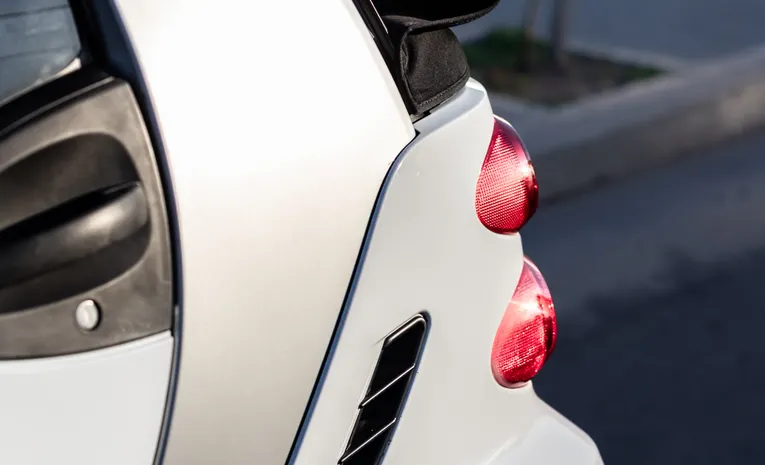
The fabric roof folded down: test it fully, open and close, on every viewing.
Best Years to Buy
If you want the safest Mini Convertible, the answer is straightforward. The 2013 to 2015 R57 cars, with the N18 engine, are the best of that generation, with the timing chain issues addressed. The F57, from 2016 onwards, is the most reliable Mini Convertible to own overall, thanks to its BMW engines and better timing chain components. The years to approach with most caution are the 2009 to 2011 R57 Cooper S cars with the N14 engine. They are not cars to rule out completely, but only buy one with full documentation of timing chain work, a clean cold start with no rattle, and a thorough inspection. An early R52 can be a charming classic purchase, but buy it as a hobby car, checking for rust, steering pump issues and the transmission type, rather than as a car you need to rely on every day.
Mini Convertible vs Rivals
The Mini Convertible has few direct rivals, and each one trades a different strength against it. The Mazda MX-5 is sharper to drive but has only two seats. The Fiat 500C is cheaper and cuter, but it is not a true full convertible. The VW T-Roc Cabriolet is larger and more practical, but it is also a bigger car to live with. The VW Beetle Cabriolet is now discontinued, so it is a used only choice.
| Model | Roof | Handling | Practicality | Watch out for |
|---|---|---|---|---|
| Mini Convertible | Fabric soft top | Sharp, fun | Limited rear seats and boot | Roof faults and R57 timing chain |
| Mazda MX-5 | Fabric soft top | Sharper still | Two seater only | No rear seats at all |
| Fiat 500C | Sliding fabric roof panel | Softer | Small, city sized | Not a true full convertible |
| VW T-Roc Cabriolet | Fabric soft top | Comfortable | More space than the Mini | Larger and pricier to run |
| VW Beetle Cabriolet | Fabric soft top | Relaxed | Four seats, small boot | Discontinued, used only |
Buying Used: What to Check
A used Mini Convertible rewards a careful viewing. Work through these checks before you agree a price, and take your time over the roof and the engine, because those are where a missed fault costs the most.
- Roof test: open and close the roof fully. It should move smoothly, seal properly when shut, and show no tears near the rear window.
- Timing chain rattle: listen on a cold start. Any rattling, especially on an R57 Cooper S, is a serious warning sign.
- Oil leaks: look underneath and around the engine for leaks, and check the oil level.
- Coolant level: check the level and look for leaks, particularly on F57 cars, where the water pump and thermostat housing can leak.
- Service history: look for regular servicing, and pay attention to how often the oil was changed.
- Roof fabric and seals: check the fabric and weather seals for wear, tears and signs of water getting in.
- Damp carpets: feel the carpets and the boot floor for damp, which points to water ingress.
- Door sag and tyres: check the doors close cleanly, and check the tyres, remembering that F57 cars on run flats give a harsh ride.
Frequently Asked Questions
Which Mini Convertible years should I avoid?
The 2009 to 2011 R57 Cooper S cars with the N14 engine are the ones to approach with most caution, because of timing chain tensioner failures. Avoid them unless the timing chain work is fully documented and the engine starts quietly from cold.
Does the Mini Convertible leak?
It can do, as seals and fabric wear with age. Check for damp carpets, look closely at the roof fabric and seals, and test the roof in the rain if possible.
Is the F57 much better than the R57?
Yes. The F57 uses BMW engines, with better timing chain components and fewer direct injection issues, so it is the most reasonable Mini Convertible to own. The R57 is still a fun car, but it needs more careful checking, especially the early Cooper S models.
Related Reading
Before you buy, read our guide to the most reliable used cars in the UK, and if you are thinking of spreading the cost, read our guide to how car finance works.