
Small SUVs are the most popular body type in the UK. They give drivers a high seating position and a practical shape without the size or running costs of a large family SUV. Yet boot space varies by more than 150 litres across the class, so two cars that look almost the same size can hold very different loads.
The headline figure is not always the usable figure. A sliding bench, a deep underfloor well, a high load lip or a sloping roofline can change what you can actually fit. Every figure below is for a current model, measured with the seats up and to the load cover unless stated otherwise. See our guide to car body types explained for how small SUVs compare with hatchbacks, estates and larger SUVs.
Best Small SUVs for Boot Space
Renault Captur
The Renault Captur offers 422 to 536 litres with the seats up, the most flexible boot in this class. Push the standard sliding rear bench fully forward for 536 litres, or slide it back for 422 litres and more rear legroom. With the seats down, space grows to about 1,275 litres. Suits families who need both boot space and rear legroom.
Nissan Qashqai
The Nissan Qashqai offers 504 litres with the seats up, or 479 litres on e-POWER models and higher trims fitted with the luggage board system. With the seats down, it offers 1,447 litres, or 1,422 litres with the luggage board. Suits buyers who want family sized space every day and do not mind a longer, dearer car.
Ford Puma
The Ford Puma offers 456 litres with the seats up, plus an 80 litre underfloor well called the Megabox. The well is deep, plastic lined and easy to clean, so it suits muddy boots, wet kit or a small dog. With the seats down, the Puma offers 1,216 litres. Suits active owners who value clever storage more than the biggest litre count.
Citroen C3 Aircross
The new Citroen C3 Aircross, on sale since 2024, offers 460 litres with the seats up and 1,600 litres with the seats down. Do not confuse it with the old C3 Aircross, which offered only 380 litres with the seats up. Suits buyers who want a roomy, value focused small SUV with a large load area when the seats are folded.
Vauxhall Frontera
The Vauxhall Frontera replaced the Crossland in 2024 and offers 460 litres with the seats up and about 1,600 litres with the seats down. Some versions have a flat boot floor with no lip, which makes it easy to slide heavy boxes in and out. Suits buyers who want a simple, practical family car at a sensible price.
Skoda Kamiq
The Skoda Kamiq offers 400 litres with the seats up and 1,395 litres with the seats down. Its strength is shape rather than size. The load area is wide and square, the opening is broad, and the low floor makes it easy to use all of the space. There is no sliding bench, so legroom cannot be traded for extra litres. Suits buyers who want honest, easy to use space.
VW T-Cross
The VW T-Cross offers 385 litres with the seats up and the sliding bench back, or 455 litres with the bench slid forward. With the seats down, it offers about 1,281 litres. It asks you to choose between rear legroom and boot space, but it is a smaller car overall. If you want more room in the same family, our VW T-Roc review covers the next size up.
Toyota Yaris Cross
The Toyota Yaris Cross offers 397 litres with the seats up. It is hybrid only, and an updated version arrived in August 2026 with a 129 bhp hybrid system across the range. The boot is not the largest here, but it is well shaped. Suits buyers who put low running costs first. For a larger Toyota SUV, see our Toyota C-HR review.
Small SUV Boot Space Comparison
| Model | Boot Space Seats Up | Boot Space Seats Down | Standout Feature |
|---|---|---|---|
| Renault Captur | 422 to 536 litres | About 1,275 litres | Sliding rear bench |
| Nissan Qashqai | 504 litres, 479 litres with luggage board | 1,447 litres, 1,422 litres with luggage board | Largest fixed boot |
| Ford Puma | 456 litres plus 80 litre Megabox | 1,216 litres | Deep Megabox well |
| Citroen C3 Aircross, new 2024 model | 460 litres | 1,600 litres | Large seats down space |
| Vauxhall Frontera | 460 litres | About 1,600 litres | Flat boot floor, no lip |
| Skoda Kamiq | 400 litres | 1,395 litres | Wide, square load area |
| VW T-Cross | 385 to 455 litres | About 1,281 litres | Sliding rear bench |
| Toyota Yaris Cross | 397 litres | Not stated | Hybrid only |
Figures are for current models. Figures vary by generation and trim, so check the exact model you are buying.
Small SUV vs Hatchback: Is the Boot Really Bigger?
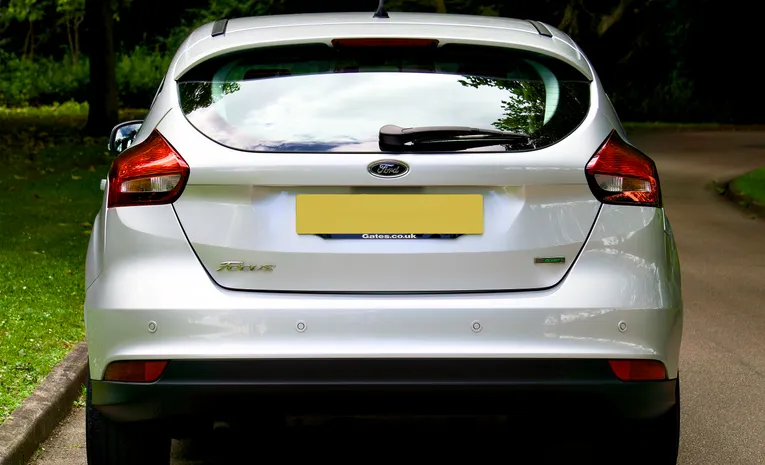
A VW Golf hatchback offers 381 litres and a Ford Focus hatchback offers 375 litres. The best small SUVs beat those figures by a clear margin, with the Captur, Qashqai, Puma, C3 Aircross and Frontera all offering more than 450 litres in their most generous form. Yet the gap is smaller than many buyers expect. A Kamiq at 400 litres is only just ahead of a Golf, and a T-Cross with the bench back is barely larger than a Focus.
The difference is clearer against a supermini. A typical supermini such as a Vauxhall Corsa has a 309 litre boot. Anything over 350 litres is a lot of space for a small car, and most cars in this guide clear that mark.
What Makes a Small SUV Boot More Usable?
Sliding rear benches let you trade legroom for boot space, which helps when rear passengers are children on one trip and adults on the next. Underfloor wells, such as the Puma Megabox, add hidden capacity for items you want kept separate. A low, wide loading lip makes lifting heavy items easier, and a flat boot floor stops boxes catching on a step.
Adjustable boot floors let you set a level surface or create a deeper well. A 60:40 split rear seat lets you carry a long item and a rear passenger at the same time. A square load area is easier to pack than a sloping roofline that steals space at the top of the boot.
Which Small SUV Boot Should You Choose?
For a pushchair, choose a wide, square boot with a low lip, such as the Kamiq or Frontera. For a dog, the Puma Megabox gives you a wipe clean space, while the Captur and Qashqai give you the most room for a crate. For the weekly shop, almost any car here will cope.
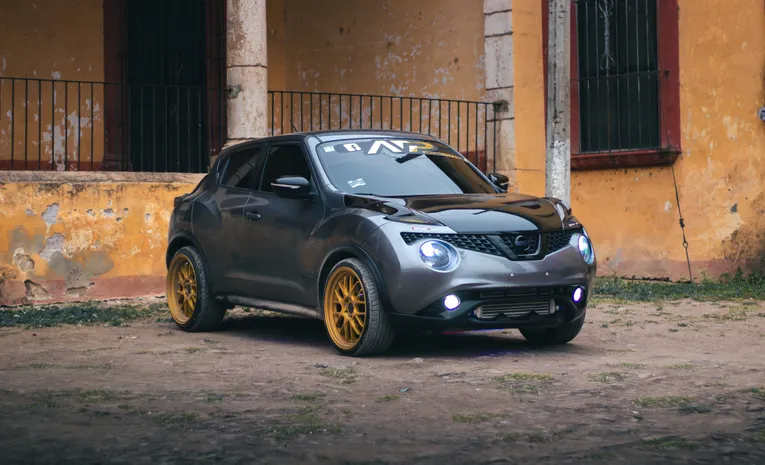
For flat pack furniture, look at the seats down figure. The new C3 Aircross and the Frontera, both at about 1,600 litres, are strongest here. The Nissan Juke is another popular rival, so see our guide to cars similar to the Nissan Juke. If the small class is still not enough, the SEAT Ateca offers 510 litres as a step up to a family SUV, and our guide to cars with big boots covers larger options. For seven seats, see 7 seater cars with big boot space. For a long load area, see our best estate cars under 20000. Buying used? Read our guide to the most reliable used cars in the UK.
Frequently Asked Questions
Which small SUV has the biggest boot in the UK?
The Renault Captur, with up to 536 litres when the sliding rear bench is fully forward. The new Citroen C3 Aircross and the Vauxhall Frontera are close behind at 460 litres each, and the Qashqai offers the largest fixed boot at 504 litres.
Does a bigger boot number always mean more usable space?
No. Shape, load lip, bench position and floor height matter as much as litres. A square 400 litre boot can hold more than a sloping 450 litre one, because the space is easier to pack and the opening is wider.
Is the Qashqai too big to count as a small SUV?
It sits at the top of the class, and its 504 litre boot is the largest fixed boot here, but it is longer and dearer than the rest.