
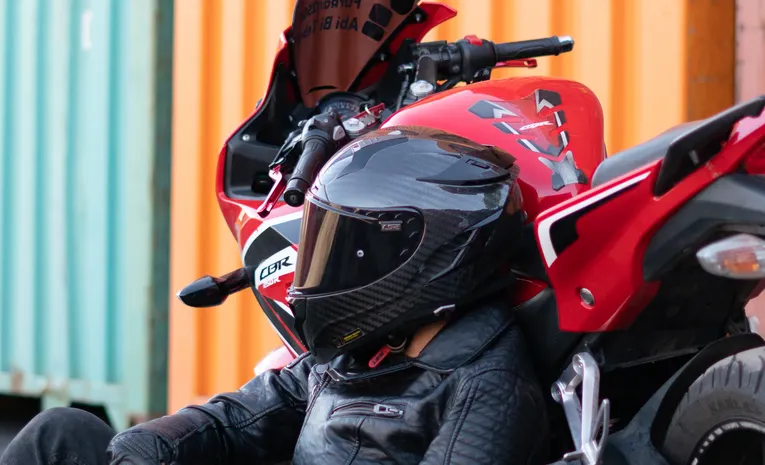
A CBT test in the UK usually costs between £140 and £225 in 2026, depending on where you train and whether you use your own bike or a school bike. London schools charge around £205, while one-to-one CBT training costs £360 to £550. The one-day course includes bike and helmet hire, and the DL196 certificate lasts two years.
A CBT, or Compulsory Basic Training, is the first step for almost every new rider in the UK. You need it before you can ride a moped or a 125cc motorcycle on the road with L plates, and before you can take a full motorcycle test. There is no single fixed price, because training schools set their own prices. This guide gives the real 2026 prices from training schools across the country, explains what is included, and works out what a full licence costs after your CBT.
How much does a CBT cost in the UK?
A standard group CBT usually costs between £140 and £225 in 2026. The cheapest prices come from schools outside London where you bring your own bike, and the highest prices come from London schools and one-to-one courses. Two widely quoted ranges disagree with each other: some guides say £130 to £170, while BikeSure says £160 to £220. Both are partly right, because they are describing different parts of the market. The table below uses live prices from real training schools, checked in November 2026, so you can see the spread for yourself.
| Training school and area | Standard CBT (school bike) | Own bike | Renewal | One-to-one |
|---|---|---|---|---|
| Staffs Rider, Staffordshire | £180 | £140 | Not listed | Not listed |
| Think Bike | £180 | £170 | £150 (re-take, own bike) | £360 |
| 1st Motorcycle Training | £185 | £185 | £140 | Not listed |
| Top Notch Training, Norwich | £210 | £200 | Not listed | Not listed |
| Universal Motorcycle Training, London | £205 | £205 | £205 | £550 |
| Betta Biker, Warrington | £225 | £180 | Not listed | Not listed |
| On Your Bike, Warrington | £225 | £225 | £225 | Not listed |
| Edventure Rider, Hatfield | £219 weekday, £244 weekend (manual) | £179 weekday, £204 weekend | Not listed | Same as CBT price (3 hour IMT) |
Three patterns stand out. First, location matters most: London is around £205, while schools in Staffordshire, Warrington and Norwich range from £180 to £225. Second, bringing your own bike usually saves £10 to £45, though some schools charge the same either way. Third, weekends cost more at some schools: Edventure charges £25 extra at weekends, while Universal charges the same price seven days a week. The cheapest route is usually a weekday group course on your own bike outside London, from around £140.
What does the CBT price include?
The quoted price normally includes the motorcycle or moped for the day, a helmet and gloves where needed, fuel and insurance for the school bike, and your DL196 certificate when you complete the course. Some schools also include a jacket and hi-vis vest: Betta Biker includes helmet, jacket, over trousers, gloves and hi-vis, and On Your Bike includes a helmet with intercom and a jacket. Ask about the damage excess too: some schools charge you for damage to their bike if you drop it, and Staffs Rider states a £500 excess on bike repair.
What is not included is your clothing. GOV.UK says you must wear a motorcycle helmet that meets British safety standards, motorcycle boots or other sturdy footwear that supports and protects your ankles, textile or leather motorcycle trousers or heavy denim trousers, a textile or leather motorcycle jacket or a heavy denim jacket with several layers underneath, and motorcycle gloves. Your course can be stopped, and you can be charged to take it again, if you do not wear suitable clothing. Check with the school before you book whether they lend a helmet and jacket, because that can save you buying kit before your first day.
How much does a CBT renewal cost?
Renewing a CBT usually costs the same as a first CBT, between £140 and £225, because there is no separate short renewal test. Renewing means taking the full one-day course again, covering all five elements, and getting a new DL196 certificate. Universal charges £205 for renewal, the same as its standard course, and On Your Bike charges £225. A few schools discount renewals: 1st Motorcycle Training charges £140 for a renewal against £185 for a first CBT, and Think Bike lists a £150 re-take price for riders on their own bike.
Your DL196 certificate lasts two years from the date you complete the course. GOV.UK states that you must pass your full moped or motorcycle test within two years, or you have to either take CBT again or stop riding. There is no grace period. If your certificate has expired, you cannot legally ride on a provisional licence, and you cannot even ride your own bike to the training centre for the renewal course. Riding without a valid CBT can lead to a fine of up to £1,000 and up to 6 penalty points, and your insurance may be invalid.
Renew before your certificate expires if you can, so there is no gap when you cannot ride. There is no limit on how many times you can renew a CBT, but each renewal costs a fresh fee and the L plate restrictions never lift. If you are renewing for the second or third time, compare the cost against a full licence course, which removes the restrictions permanently. Our guide to how to get a full motorcycle licence in the UK explains the routes.
How much does one-to-one CBT cost?
One-to-one CBT costs from £360 to £550 in 2026. Think Bike charges £360 for a one-to-one course, and Universal Motorcycle Training in London charges £550 for its Executive one-to-one CBT, with one trainee and one instructor for the whole day. That is roughly double or triple the price of a group course, so it is worth knowing who it suits.
One-to-one training suits riders who are nervous, who have never ridden anything before, or who want the instructor’s full attention for the day. In a group course, GOV.UK allows a maximum of 4 learners per trainer for the on-site parts and 2 learners per trainer for the on-road parts, so you share the instructor’s time. With one-to-one training, every minute is yours, and the pace follows you rather than the group. Some schools also offer a shorter one-to-one taster session first: Edventure offers a 3 hour Introduction to Motorcycle Training session at the same price as a CBT, and Think Bike offers pre-CBT training at £70 per hour. For most confident beginners, a group course is fine and much cheaper.
What happens if you do not finish your CBT in one day?
You cannot fail a CBT in the way you can fail a driving test, because it is training, not a test. GOV.UK states this plainly: CBT is not a test that you pass or fail. Your instructor moves you from one part to the next only when they are happy you have learnt the theory and shown the practical skills to a safe basic level. If you are not ready for the on-road ride, you will not get your DL196 certificate that day. That is not a failure, it just means you need more practice.
Most schools offer a return session at a reduced price. Betta Biker charges £160 for CBT completion of up to 5 more hours. Think Bike charges £100 for a next day return and £150 for a re-take on your own bike. Universal charges £190 for a return visit. 1st Motorcycle Training offers a CBT comeback session for £85 and hourly tuition at £50 per hour. Ask the school what their return rate is before you book.
Your trainer can also stop the course if your basic knowledge of The Highway Code and traffic signs is not good enough to ride safely. GOV.UK warns that you can be charged again to retake the course in that case. Reading The Highway Code before the day is the cheapest preparation you can do, and it costs nothing.
What does a CBT involve?
The course usually lasts a full day, and it can take longer depending on how quickly you learn. GOV.UK sets out five parts, and you must complete all of them before your instructor issues a DL196 certificate.
| Element | What it covers |
|---|---|
| A: Introduction and eyesight check | The aims of the course, the rules, and an eyesight check. You must be able to read a number plate from 20 metres. |
| B: Practical on-site training | Learning the controls, the daily safety checks, wheeling the bike and getting a feel for its weight and balance. |
| C: Practical on-site riding | Riding in a safe off-road area: moving off, stopping, changing gear, braking, slow control, U-turns and an emergency stop. |
| D: Practical on-road training | A classroom briefing on road riding: road positioning, separation distances, junctions, hazards and what other road users are likely to do. |
| E: Practical on-road riding | At least 2 hours riding in real traffic, with the instructor following and giving directions by radio. |
The on-road ride must last at least 2 hours. If your trainer cuts it short, GOV.UK says you can complain to the Driver and Vehicle Standards Agency (DVSA). The same applies if there are more learners per trainer than the legal maximum.
What can you ride after a CBT?
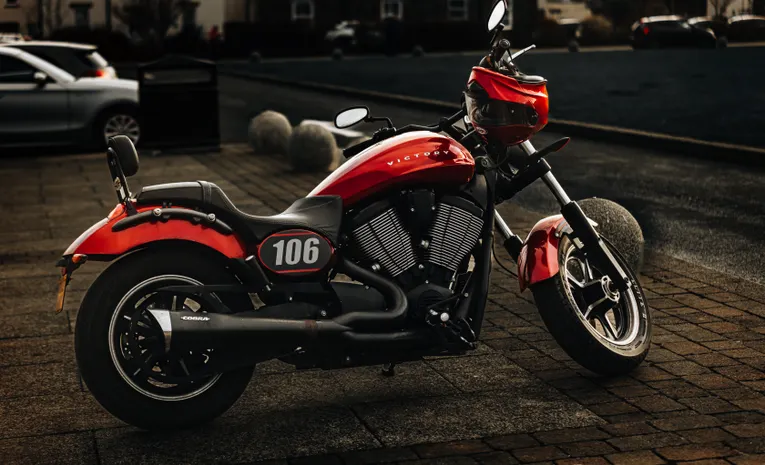
What you can ride depends on your age. At 16 you can ride a moped up to 50cc, limited to 45 km/h (about 28 mph). From 17 you can ride a motorcycle up to 125cc with a power output of up to 11 kW, which is about 15 bhp. In both cases you must display L plates front and rear, you cannot carry a pillion passenger, and you cannot ride on motorways.
Our guide to what age you can ride a moped or motorcycle in the UK covers the age rules in full. If you are 17 and looking for your first bike, our guide to the best 125cc motorbikes for beginners in the UK compares the best options by rider type, and our motorcycles by CC guide explains which engine size suits you.
There are two exemptions worth knowing. If you passed your car driving test before 1 February 2001, you can ride a moped up to 50cc without taking a CBT. If you passed your car test on or after that date and then complete a CBT, you get a full moped licence and can ride a moped without L plates, without taking the full moped test.
How much does a full motorcycle licence cost after CBT?
A CBT is only the first step if you want a full licence. The next costs are the DVSA test fees, which are fixed by the government, plus training, which varies by school. The DVSA fees are the same everywhere: the motorcycle theory test costs £23, Module 1 (the off-road practical test) costs £15.50, and Module 2 (the on-road practical test) costs £75 on weekdays or £88.50 on evenings, weekends and bank holidays. Together, the three DVSA fees come to £113.50 on a weekday. You also need a provisional licence first, which costs £34 online or £43 by post.
| Step | Cost |
|---|---|
| Provisional licence | £34 online, £43 by post |
| CBT | £140 to £225 |
| Motorcycle theory test | £23 |
| Module 1 practical test | £15.50 |
| Module 2 practical test | £75 weekday, £88.50 evenings and weekends |
| DVSA test fees total (theory, Module 1, weekday Module 2) | £113.50 |
| A1 licence packaged course (17+) | £466 to £1,100, including training and test fees at some schools |
| A2 licence packaged course (19+) | £800 to £1,300 |
| Full A licence, Direct Access Scheme (24+) | £790 to £1,350 |
The packaged course prices vary widely because they include different amounts of training. Top Notch Training lists an A1 course from £466, an A2 course at £864 and a Direct Access course at £864. BikeSure puts A1 packages at £650 to £1,100 or more, A2 at £800 to £1,300 and full A at £790 to £1,300.
The cheapest full licence route for a 17 year old is the AM moped licence or the A1 licence. BikeSure calculates the basic AM route at £307.50 to £367.50 before extra training or retests, based on an online provisional licence, CBT, theory test, Module 1 and a weekday Module 2. An A1 licence lets you ride a 125cc bike without L plates, carry a pillion and use motorways. Our guide to the A1 vs A2 motorcycle licence explains which category fits your age and plans, and our best A2 motorcycles UK guide lists the best bikes once you turn 19.
If you fail Module 1 or Module 2, you pay the DVSA test fee again, and you may also pay for extra school time and bike hire for the retest.
How do you book a CBT, and what should you check before you pay?
Book directly with a DVSA approved training school. GOV.UK lists approved training bodies, and the school sets its own price, so compare two or three schools in your area before you book. Ask each school what is included in the price, whether you can use your own bike and how much cheaper that is, whether there is a weekend supplement, what the return session price is if you need more time, what the damage excess is if you drop the school bike, and how many learners are in the group.
Take your UK driving licence to the course, plus glasses or contact lenses if you need them for riding. You cannot ride your own bike to the course unless you already hold a valid CBT certificate, so arrange transport if you are using your own machine. Wear the right clothing, as listed above, or the school can stop your course and charge you to retake it.
One last check: get insurance quotes before you buy a bike. A 125cc bike is cheap to buy, but insurance for a 17 year old in a city can cost more than the bike itself. Our motorcycle types explained guide can help you decide what style of bike suits you before you spend anything.
Frequently asked questions
How much is a CBT test in the UK?
A standard group CBT usually costs between £140 and £225 in 2026. London schools charge around £205, and one-to-one CBT costs £360 to £550.
How long does a CBT last?
A CBT certificate, called a DL196, lasts two years from the date you complete the course. You must pass your full motorcycle test within that time, or retake the CBT to keep riding on L plates.
Can you fail a CBT?
No. A CBT is training, not a pass or fail test. If your instructor is not satisfied that you can ride safely, you are asked back for extra training, usually at a reduced price, rather than being failed.
How much does a CBT renewal cost?
A renewal costs the same as a first CBT, usually £140 to £225, because there is no short renewal test. You take the full one-day course again. Some schools discount renewals: 1st Motorcycle Training charges £140.
Do I need a CBT if I have a car licence?
Yes, unless you passed your car driving test before 1 February 2001, in which case you can ride a moped up to 50cc without a CBT. All other car licence holders need a CBT before riding a moped or motorcycle.
What should I bring to a CBT?
Bring your UK driving licence, glasses or contact lenses if you need them, and suitable clothing: a helmet, sturdy boots, motorcycle trousers, a jacket and gloves. Most schools lend a helmet and jacket, so check before you buy kit.