
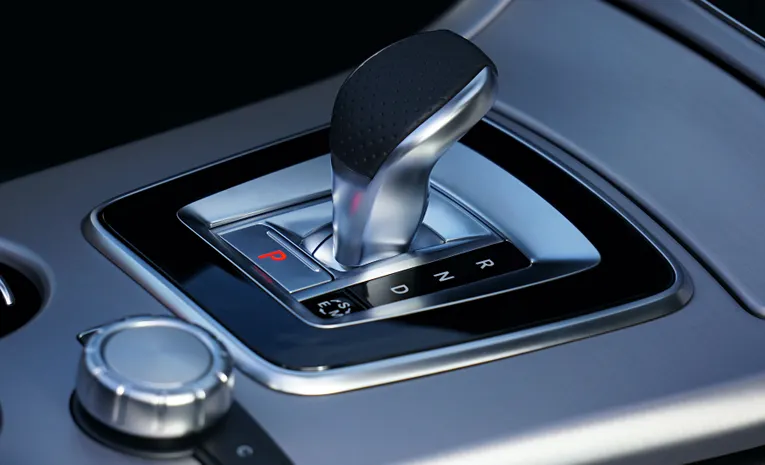
Not all automatic gearboxes work the same way, and the difference between CVT and traditional automatic transmissions affects everything from fuel economy to how the car feels under acceleration. Here is a clear comparison of CVT vs automatic gearbox technology.
What Is a CVT Gearbox?
A continuously variable transmission, or CVT, uses two cone shaped pulleys connected by a steel or rubber belt instead of a fixed set of gears. This allows the gearbox to select an infinite range of ratios rather than jumping between fixed steps, which is why CVTs are often associated with a smooth but sometimes unusual sounding driving experience under hard acceleration.
What Is a Traditional Automatic Gearbox?
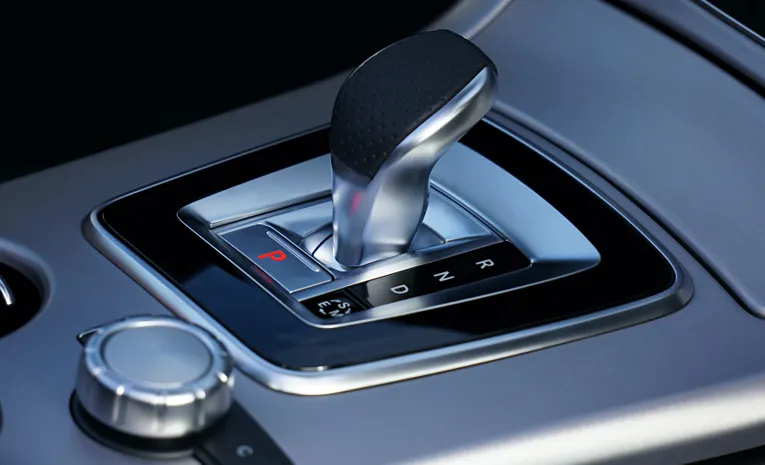
A traditional automatic gearbox, often called a torque converter automatic, uses a torque converter alongside a fixed set of gear ratios, typically between six and ten speeds in modern cars. Internal clutch packs engage and disengage automatically as the car changes gear, delivering the familiar stepped gear change feel most drivers associate with automatic cars.
CVT vs Automatic Gearbox: Key Differences
| Feature | CVT | Traditional Automatic |
|---|---|---|
| Gear ratios | Infinite, continuously variable | Fixed number of gears |
| Fuel efficiency | Often better, especially in hybrids | Good, varies by number of gears |
| Driving feel | Smooth but can feel unusual under load | Familiar stepped gear changes |
| Common use | Hybrids, small and mid-size cars | Most petrol, diesel and performance cars |
Which Is Better: CVT or Traditional Automatic?
Neither is universally better, since the right choice depends on priorities. CVTs tend to suit drivers who prioritise fuel efficiency and smoothness in everyday driving, which is why they are so common in hybrid vehicles. Traditional automatics tend to suit drivers who want a more engaging, responsive feel, particularly under harder acceleration or in performance orientated cars.
Frequently Asked Questions
Is a CVT gearbox less reliable than a traditional automatic?
Modern CVTs from established manufacturers are generally reliable, though some older or budget CVT units have had a reputation for issues, so checking service history is worthwhile on used examples.
Do CVT gearboxes feel different to drive?
Yes, many drivers notice a CVT holds engine revs steady during hard acceleration rather than producing the familiar stepped rev pattern of a traditional automatic, an effect sometimes called rubber banding.
Which cars commonly use CVT gearboxes?
CVT gearboxes are particularly common in hybrid vehicles from manufacturers such as Toyota and Honda, as well as many small and mid-size Nissan and Subaru models.
Related reading: not sure how automatic gearboxes work in general? See our guide on whether automatic cars have a clutch.
Written by the Apriliapartsbuyer editorial team, covering UK car mechanics and buying guides.