

The most common automatic gearbox problems are slipping gears, delayed engagement, harsh or jerky shifts, fluid leaks, a burning smell, warning lights and limp mode. Low or contaminated fluid causes many of them. A fluid service costs £150 to £450, while a rebuild costs £1,200 to £3,500. Stop driving if the gearbox loses drive.
An automatic gearbox should change gear smoothly and quietly. The six warning signs in the original version of this guide were all correct. This rewrite adds what was missing: gearbox types, repair costs, when to stop driving, and how to check a used car.
What Are the Warning Signs of Automatic Gearbox Problems?
The most common symptoms are jerking or harsh gear changes, delayed engagement, slipping, engine revs rising without matching acceleration, shuddering, whining or clunking noises, getting stuck in one gear, limp mode, fluid leaks and overheating (motorvehicleexpert). RAC guidance, via Gumtree, identifies delayed engagement, slipping, fluid leaks and unusual noises as symptoms that need professional attention.
| Warning sign | What it may mean | How urgent |
|---|---|---|
| Slipping gears: engine revs rise without matching speed | Low or contaminated fluid, worn clutch packs, hydraulic pressure or valve body fault | Serious, get it checked promptly |
| Delayed engagement: pause of more than a second or two selecting Drive or Reverse | Low fluid, worn valve body, internal clutch wear | Get it checked promptly |
| Harsh or jerky shifts: bangs or jolts between gears | Control, fluid, mount or internal clutch pack problems | Get it checked promptly |
| Fluid leak: reddish fluid pooling under the car | Damaged seal, cooler line or casing | Find the source before driving far |
| Burning smell | Overheating fluid, low fluid or excessive friction | Stop and check |
| Whining, humming, grinding or clunking | Worn bearings, gears or internal damage | Avoid driving until inspected |
| Warning light | Electronic or mechanical fault stored in the control system | Request a diagnostic scan |
| Limp mode: stuck in one gear with limited power | Computer protecting the gearbox from a serious fault | Drive only to a garage or call recovery |
Symptoms do not automatically mean the complete gearbox has failed. Low or degraded fluid, electrical supply problems, speed sensors, solenoids, valve body faults, software or adaptation issues, worn mounts and engine faults can all create gearbox-like behaviour (motorvehicleexpert, Gumtree).
Limp mode is a protective feature. When the computer detects a potentially serious transmission or engine problem, it restricts performance to help prevent further damage. The gearbox stays in one gear, usually third, with limited acceleration (reengineeredtransmissions, sellthecar). A flashing PRNDS display often accompanies it on DSG cars (sellthecar). Healthy fluid is red or pink and translucent. Dark brown or black fluid, or a burnt smell, means it is degraded.
Do All Automatic Gearboxes Fail the Same Way?
No. Symptoms differ by type (motorvehicleexpert, sellthecar, autogearbox).
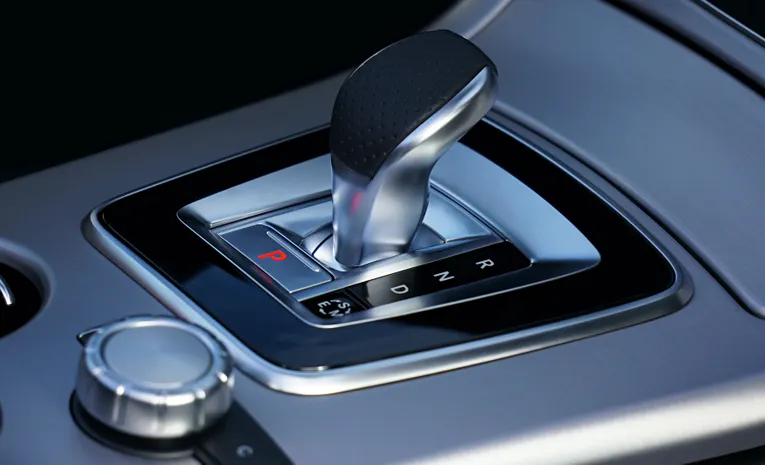
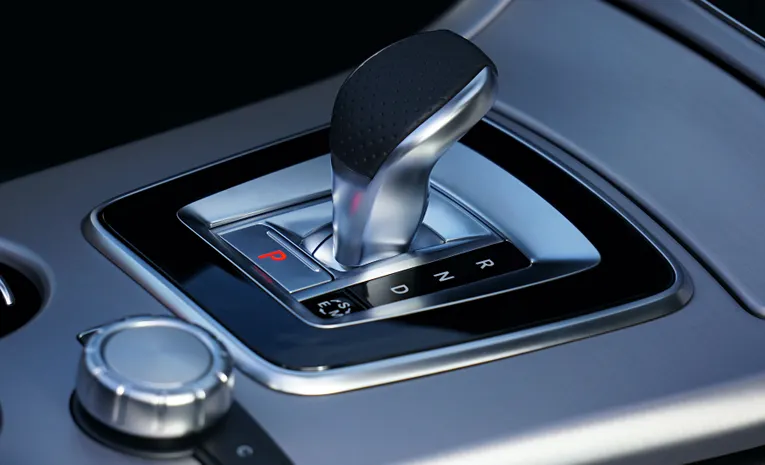
Conventional torque converter automatics use fluid coupling and clutch packs. Typical faults are fluid degradation, torque converter lock up clutch shudder and valve body wear. If you are unsure whether automatic cars have a clutch, most use clutch packs inside the gearbox. See our comparison of CVT and automatic gearbox types.
CVTs use a belt or chain between variable pulleys. Typical faults are shudder, flaring revs and belt wear. A CVT fault can feel like the engine racing with little extra speed.
Dual clutch transmissions, known as DSG or S tronic, use two clutches. A shudder at 10 to 30 mph, particularly when pulling away, is one of the most commonly reported DSG symptoms. On the 7 speed dry clutch DQ200 it is usually caused by worn clutch plates or solenoid valve wear (sellthecar). The 6 speed wet clutch DQ250 is more durable.
ECVT systems in many hybrids work differently again. A fluid service will not fix a broken solenoid, a worn valve body or a damaged torque converter, so get a diagnostic check before paying for a fluid flush (NWT). For help choosing, read our guide to manual vs automatic car pros and cons and our guide to how to drive an automatic car.
How Much Does It Cost to Fix an Automatic Gearbox?
The table below gives UK guide ranges from motorvehicleexpert 2026. These are planning figures, not quotes.
| Fault level | Typical repair route | Approx. UK range |
|---|---|---|
| Diagnostic or electrical fault | Scan, wiring, sensor or calibration | £50 to £400 plus |
| Fluid or external leak fault | Service, seal, sump or cooler repair | £150 to £600 plus |
| Solenoid or hydraulic control fault | Solenoid or valve body work | £200 to £1,500 plus |
| DCT or mechatronic fault | Clutch, actuator or mechatronic repair | £600 to £2,000 plus |
| Torque converter fault | Converter repair or replacement | £700 to £1,800 plus |
| Internal gearbox failure | Strip and rebuild | £1,200 to £3,500 plus |
| Severe or widespread damage | Reconditioned or replacement gearbox | £1,800 to £6,000 plus |
A fluid service alone costs £150 to £450 plus (motorvehicleexpert). A normal fluid change usually costs £80 to £250, while a full specialist flush can cost over £300. A professionally reconditioned gearbox averages £1,200 to £2,500, and automatic and direct shift gearboxes typically cost £1,000 to £5,000 to replace, with high end gearboxes as much as £7,000 (NWT). DSG faults range from a £120 software update to £4,000 or more for a full replacement (sellthecar).
Can I Keep Driving With a Gearbox Problem?
Stop driving if the gearbox suddenly loses drive, repeatedly drops into neutral, will not select a safe gear, bangs violently into gear, leaks transmission fluid heavily, gives a strong burning smell or shows a transmission overheating warning. Continuing to drive can turn a repairable hydraulic or electronic fault into major internal damage (motorvehicleexpert). See our guide to dashboard warning lights explained.
How Do You Check an Automatic Gearbox Before Buying a Used Car?
Use this test drive checklist (carslink, Gumtree). Select Drive and Reverse from Park and check engagement is prompt, within a second or two, with no clunk or jolt. Accelerate and decelerate through the gears and check shifts are smooth and barely perceptible. Listen for whining, grinding or clunking, and check for shuddering at steady speed. Test when cold and when hot. Check the fluid colour and level if the car has a dipstick, check the service history for fluid changes, and request a diagnostic scan if any warning light is on. A clean MOT does not prove the gearbox is healthy, because the MOT does not test how the gearbox changes gear.
How Do You Prevent Automatic Gearbox Problems?
Regular fluid checks are the single most effective prevention, and catching an issue early means a cheaper repair. The old version of this post gave an imprecise range of 60,000 to 100,000 miles. That figure mixed up different sources and has been corrected here. ZF’s own LifeguardFluid 8 data sheet says ZF automatic transmissions are generally filled with lifetime oil, but ZF recommends an oil change after 150,000 km, about 93,000 miles. Specialists recommend a preventive service between 50,000 and 75,000 miles (drivisual, FCP Euro). JCR Leeds states ZF 6HP and 8HP gearboxes need oil and filter renewal every 60,000 miles or six years, whichever comes first, even though BMW may call the gearbox sealed for life.
Frequently Asked Questions
How much does it cost to fix an automatic gearbox?
A fluid service costs £150 to £450, a solenoid or valve body repair £200 to £1,500, and a rebuild £1,200 to £3,500, depending on the fault (motorvehicleexpert).
Can I keep driving with a slipping automatic gearbox?
No. Continuing to drive can turn a repairable fault into major internal damage, and slipping can cause a sudden loss of power.
How often should automatic transmission fluid be changed?
ZF recommends an oil change after 150,000 km, about 93,000 miles, but specialists advise a preventive service between 50,000 and 75,000 miles, or every 60,000 miles or six years on ZF 6HP and 8HP units.
What is limp mode?
Limp mode is a protective feature that locks the gearbox into one gear, usually third, with limited power, so you can reach a garage safely.
Does a fluid change fix a slipping gearbox?
Sometimes, if low or degraded fluid is the cause, but it will not fix a broken solenoid, a worn valve body or a damaged torque converter, so get a diagnostic check first.