
Hybrid cars now make up a significant share of new car sales in the UK, but they still cost more upfront than an equivalent petrol model. So is a hybrid car worth it in 2026? Here is a practical look at the costs, savings and trade-offs to help you decide.
How Hybrid Cars Save You Money
Hybrid cars combine a petrol engine with an electric motor and battery, which reduces fuel consumption, particularly in stop-start city driving where the electric motor can handle short distances without the engine running at all. This typically translates into meaningfully better real-world fuel economy compared with an equivalent petrol-only model, especially for drivers who spend a lot of time in traffic.
The Upfront Cost Difference
Hybrid versions of popular models typically cost £1,500 to £3,000 more than the equivalent petrol variant. Whether this is worth it depends heavily on your annual mileage and driving style, since the fuel savings need time to offset the higher purchase price.
When a Hybrid Makes Financial Sense
- High annual mileage in urban areas: drivers who spend a lot of time in stop start city traffic see the biggest fuel savings from a hybrid powertrain.
- Company car drivers: hybrids often sit in lower Benefit in Kind tax bands than petrol equivalents, which can meaningfully reduce company car tax bills.
- Long term ownership: the longer you keep the car, the more time the fuel savings have to offset the higher purchase price.
When a Hybrid Might Not Be Worth It
- Mostly motorway driving: hybrids offer smaller fuel savings at higher, steadier motorway speeds, where the electric motor contributes less.
- Low annual mileage: if you drive under 8,000 miles a year, it may take many years to recoup the higher purchase price through fuel savings.
- Budget constraints: if the upfront premium is a stretch, a well-specified petrol model may represent better overall value.
Hybrid vs Plug-In Hybrid vs Full Electric
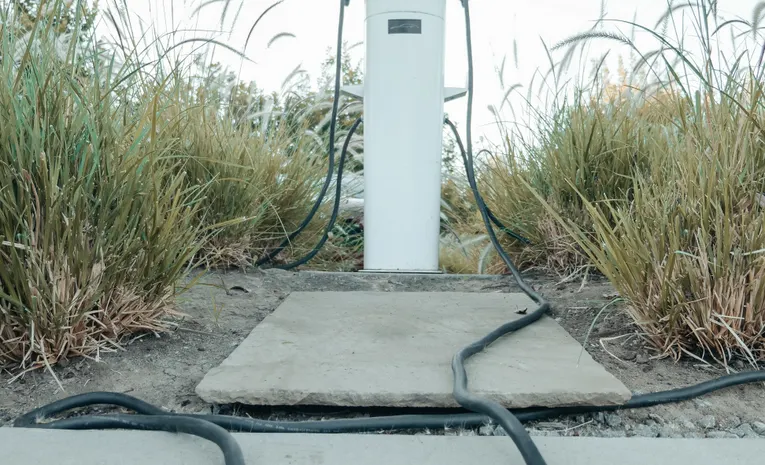
A standard hybrid cannot be plugged in and recharges its small battery through braking and engine power alone. A plug-in hybrid has a larger battery that can be charged externally and offers a limited electric-only range, typically 30 to 40 miles, making it well suited to drivers with a short commute who want to use electric power most of the time while retaining a petrol engine for longer trips.
Frequently Asked Questions
Are hybrid cars worth it for city driving?
Yes, hybrids generally deliver their biggest fuel savings in stop-start city traffic, where the electric motor can take over frequently.
Do hybrid cars need less maintenance than petrol cars?
Hybrid brake systems often last longer than conventional brakes due to regenerative braking, though servicing costs are broadly similar to an equivalent petrol model.
Is a hybrid or plug-in hybrid better for a short commute?
A plug-in hybrid is usually better for a short commute, since it can complete most short journeys on electric power alone if charged regularly.
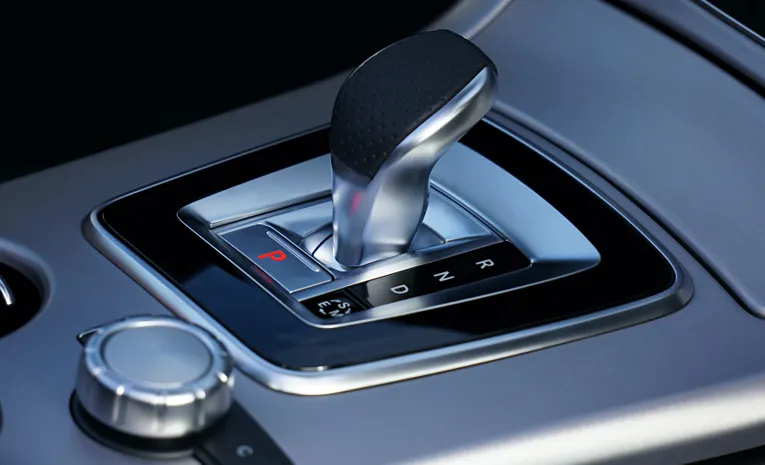
Related reading: not sure how automatic hybrid gearboxes work? See our guide on whether automatic cars have a clutch.
Written by the Apriliapartsbuyer editorial team, covering UK car buying and running cost guides.