
If you can charge at home, an electric car is usually the cheapest of the three to run. If you cannot charge at home, a hybrid is usually the simplest choice, because it never needs charging. A plug-in hybrid sits between the two, with short electric trips and a petrol engine for longer journeys.
How Hybrid and Electric Cars Differ
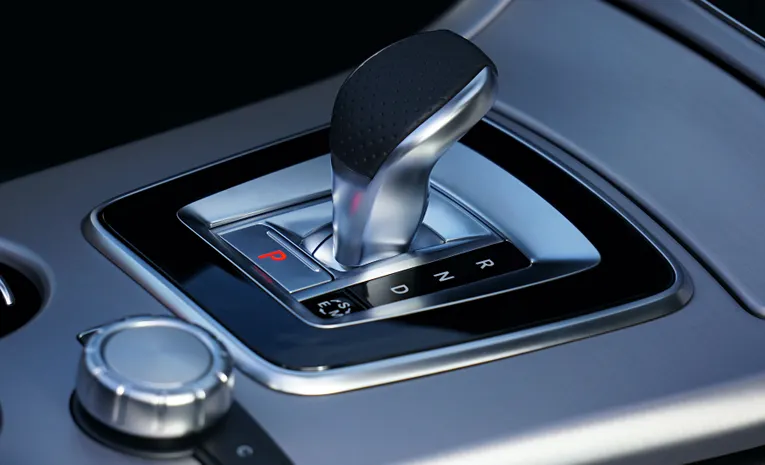
A full hybrid pairs a petrol engine with a small electric motor and a small battery of about 1-2 kWh. The battery charges itself while you drive, through the engine and regenerative braking, and it never needs to be plugged in. The electric motor helps at low speeds and when pulling away, where petrol engines use the most fuel. Most full hybrids are automatic: see manual versus automatic cars, CVT versus automatic gearboxes and how to drive an automatic car.
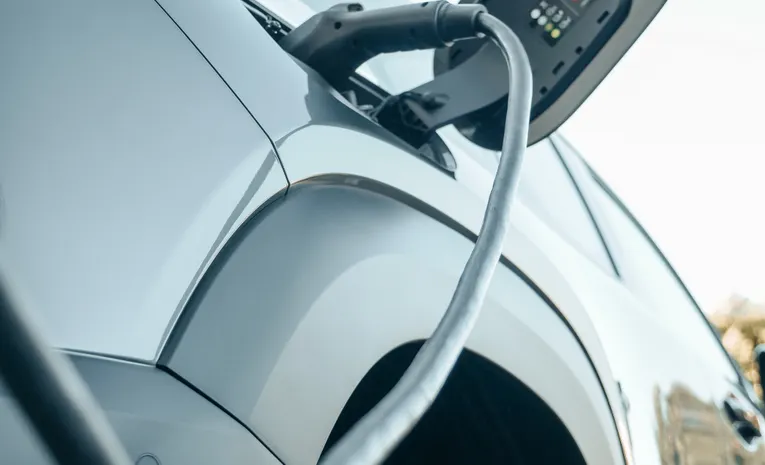
A plug-in hybrid has a larger battery, typically 8-20 kWh, and it can be plugged in to charge. That gives a useful range on electric power alone, often enough for a daily commute, before the petrol engine takes over. It suits drivers who can charge at home and mostly make short trips, but who still want a petrol engine for longer journeys.
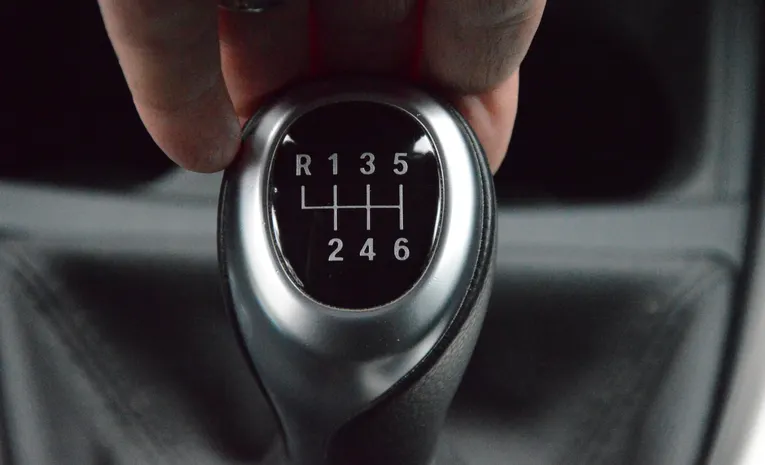
A pure electric car has no petrol engine at all. It runs only on a large battery, typically 40-100 kWh, charged from the mains. A hybrid owner refuels exactly as a petrol car owner does, while an electric car owner plans charging instead. The larger battery also makes the car heavier, and the driving feel is different, with instant torque and no gears to change.
Running Costs Compared
Running costs are where electric cars pull ahead, but only if you charge in the right place. The figures below use October 2026 UK prices, with petrol at 174.13p per litre, a petrol car at 45 mpg, a full hybrid at 55 mpg and an electric car at 3.5 miles per kWh on home electricity at 26.32p per kWh.
| Car type | Cost per mile | Cost over 8,000 miles a year |
|---|---|---|
| Petrol | 17.6p | Roughly £1,410 |
| Full hybrid | 14.4p | Roughly £1,150 |
| Electric, charged at home | 7.5p | Roughly £600 |
An electric car charged at home costs about half as much per mile as a full hybrid, and well under half as much as a petrol car. Over 8,000 miles a year, the saving against a hybrid is roughly £550, and against a petrol car it is roughly £810. Fill up mostly at rapid public chargers, though, and the gap closes fast.
Off-peak home tariffs widen the gap further. On Octopus EV off-peak charging, an electric car costs about 2p per mile, against about 16p per mile for a hybrid and about 18p per mile for a petrol car. Over 220 miles, that is £4.32 for the electric car, against £34.91 for the hybrid and £38.74 for the petrol car, based on an MG4 Long Range with a 61.7 kWh battery, an MG ZS Hybrid+ at 50 mpg and a VW Golf at 45 mpg.
The same pattern shows up in the same car in hybrid and electric form. The Kia Niro hybrid manages 64.2 mpg on the WLTP test, which works out at 12.4p per mile. The Niro EV, with a 64.8 kWh battery and 285 miles of WLTP range, works out at 6.0p per mile, or 6.6p per mile once you allow for about 10% charging loss. That is roughly half the cost per mile of the hybrid version of the same car.
Charging and Refuelling
A hybrid needs no change to your routine. You fill up at any petrol station in a few minutes and drive on. That simplicity is the main reason many buyers still choose one, especially if they park on the street or in a flat with no dedicated parking space.
An electric car is at its best with a home charger. A 7 kW smart charger typically costs £800-£1,300 fitted, with an average of about £1,000-£1,110. The EV Chargepoint Grant covers 75% of the cost, up to £500, but only for renters and flat owners. Homeowners with a driveway cannot claim it, so check your eligibility before you budget for it.
Public charging costs much more than home charging. Zapmap figures from August 2026 put standard public charging at 54p per kWh and rapid charging at 77p per kWh, with about 117,000 chargepoints in the UK. Public charging also carries 20% VAT, while home electricity is charged at 0% VAT from 1 October 2026 to 31 March 2027. That difference alone makes home charging far cheaper.
Range is the other practical question. The MG4 Long Range manages about 220 miles in real world driving, while the Niro EV is rated at 285 miles on the WLTP test. Both figures fall at motorway speeds and in cold weather. Our guide to electric car range explained looks at why quoted and real world figures differ. A hybrid covers more miles between fill-ups and refuels in minutes, so it suits long distance drivers. For space, see the electric cars with the biggest boot space and the best estate cars under £20,000.
Tax: Where Electric Cars Win
Company car tax, known as benefit in kind or BIK, is where electric cars have their biggest advantage. The rate is charged on a percentage of the car’s list price, and the percentage for electric cars is far lower than for petrol or diesel cars. Our guide to company car tax and BIK explained walks through the calculation.
| Tax year | Electric car BIK rate |
|---|---|
| 2025/26 | 3% |
| 2026/27 | 4% |
| 2027/28 | 5% |
| 2028/29 | 7% |
| 2029/30 | 9% |
Those HMRC rates rise gradually, yet stay well below other fuel types. Plug-in hybrids rise to 18% in 2028/29, and petrol and diesel cars can reach up to 37%. For a company car driver, that difference can be worth hundreds of pounds a month.
Vehicle tax is less of a differentiator. An electric car costs £10 in its first year and then £200 a year, the same as a petrol or hybrid car. One planned change is worth knowing about: electric vehicle excise duty, known as eVED, is planned from 1 April 2028 at 3p per mile for electric cars and 1.5p per mile for plug-in hybrids. This is planned, not yet law. It was announced in the Budget on 28 October 2026 and still has to pass Parliament. If it goes ahead, it would narrow the running cost advantage of electric cars, but not remove it for drivers who charge at home.
Servicing and Upkeep
Electric cars have fewer moving parts than petrol or hybrid cars, and they have no oil changes, so servicing is usually simpler. There is no exhaust system, no clutch in the usual sense and no conventional gearbox to maintain. Brakes also tend to last longer, because regenerative braking does much of the slowing down. Hybrids are serviced much like petrol cars: they still have an engine, oil, filters and an exhaust, with added checks on the hybrid battery and electrical system. Tyres are worth watching on both types, as electric cars in particular are heavy and can wear tyres faster if driven hard.
Also check insurance before buying: car insurance groups explained, the cheapest cars to insure for new drivers, whether GAP insurance is worth it and used car market trends for 2026.
Which Should You Choose?
| Factor | Better Choice |
|---|---|
| Lowest running costs | Electric, if you can charge at home |
| Simplest refuelling | Hybrid, with no charging needed |
| Long journeys without planning | Hybrid |
| Company car tax | Electric |
| Lowest purchase price | Hybrid, in most cases |
| Short trips with home charging | Plug-in hybrid or electric |
| Simplest servicing | Electric |
Choose a hybrid if you have no reliable access to home charging, regularly drive long distances, or want a lower upfront cost. Choose electric if you can charge at home, mostly drive short to medium distances, and want the lowest running costs and company car tax. Choose a plug-in hybrid if you can charge at home, mostly make short trips, but still want a petrol engine for longer journeys.
Frequently Asked Questions
Is an electric car cheaper to run than a hybrid?
Yes, per mile, when you charge at home. At October 2026 UK prices, an electric car costs about 7.5p per mile against 14.4p for a full hybrid, and on an off-peak tariff the gap is wider, at about 2p per mile against 16p. Rapid public charging narrows the gap a lot, because rapid charging costs 77p per kWh.
Do hybrids need charging?
Standard hybrids never need to be plugged in. The battery charges itself while you drive. Only plug-in hybrids need charging, and they can also run on petrol if you do not charge them, though you lose the electric driving benefit if you never plug in.
Which has longer range, a hybrid or an electric car?
Hybrids cover more miles between fill-ups, because they refuel in minutes at any petrol station. An electric car such as the MG4 Long Range manages about 220 miles in real world driving, and the Niro EV is rated at 285 miles on the WLTP test, but both figures fall at motorway speeds and in cold weather.
Is a plug-in hybrid worth it if you cannot charge at home?
Usually not. Without home charging, a plug-in hybrid runs mostly on petrol while carrying a heavy battery you rarely use. A full hybrid is the simpler and cheaper choice, because it charges itself as you drive and never needs plugging in.
Related reading: Is a Hybrid Car Worth It?
Written by the Apriliapartsbuyer editorial team, covering UK car buying, running costs and ownership.