
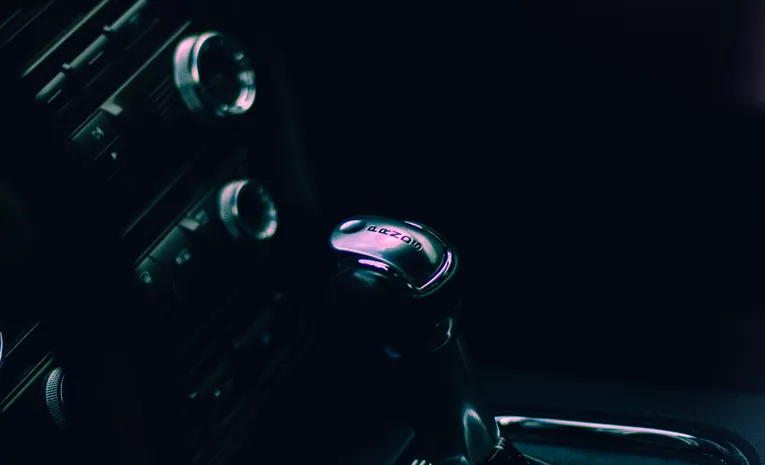
Switching from manual to automatic for the first time feels strange for about ten minutes, then quickly becomes second nature. Here is a straightforward beginner’s guide on how to drive an automatic car, covering the controls, common mistakes, and how automatic driving tests differ from manual ones.
Understanding the Automatic Gear Selector
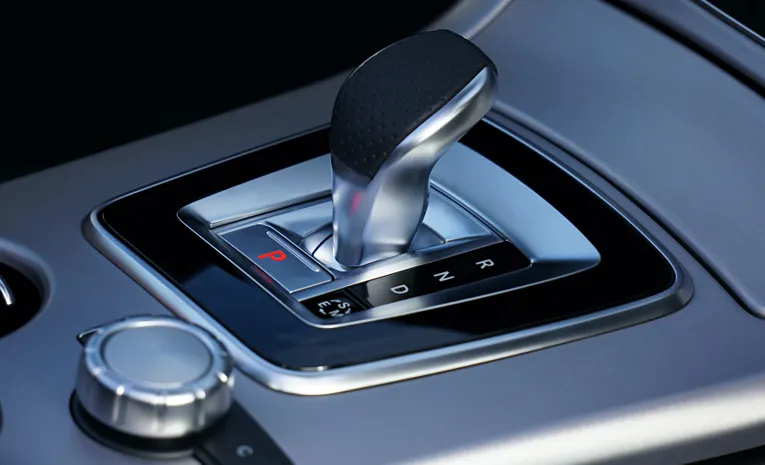
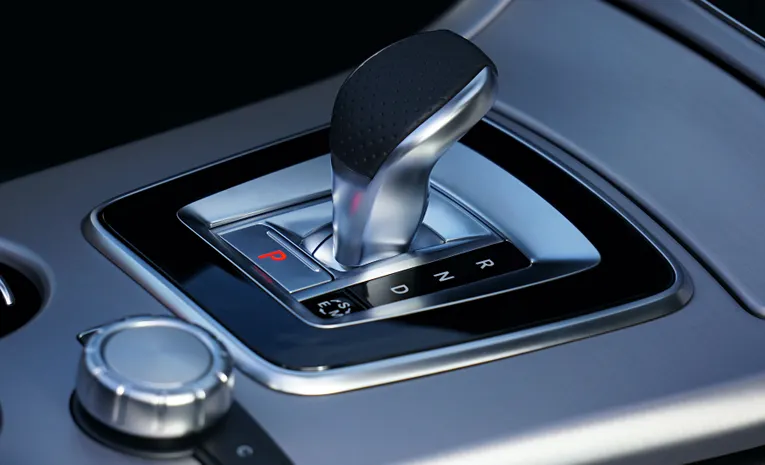
Most automatic cars use a simple set of positions: P for Park, R for Reverse, N for Neutral and D for Drive, with some cars also offering an S or Sport mode and manual paddle shifters for temporary manual control. Unlike a manual car, there is no clutch pedal, so your left foot stays completely still while driving.
Step by Step: Driving an Automatic Car
- Start the engine with your foot on the brake: most automatic cars will not start unless the brake pedal is pressed.
- Select D for Drive: once the engine is running and you are ready to move, shift from Park into Drive.
- Release the handbrake and ease off the brake pedal: the car will begin to creep forward on its own in most automatics, known as creep torque.
- Use the accelerator gently: the gearbox handles gear changes automatically, so smooth, gradual pressure gives the smoothest ride.
- Brake to slow or stop: use only your right foot for both the accelerator and brake, switching between the two as needed.
Common Mistakes New Automatic Drivers Make
- Using the left foot on the brake: this is a manual habit that leads to jerky, uneven braking in an automatic and should be avoided entirely.
- Resting a foot on the brake pedal: even light pressure can activate the brake lights and slightly drag the brakes, so keep your left foot flat on the floor.
- Shifting to Neutral at traffic lights: this is unnecessary in a modern automatic and can wear the transmission unnecessarily over time.
Automatic vs Manual Driving Tests in the UK
If you pass your driving test in an automatic car, your licence will only permit you to drive automatic vehicles, whereas passing in a manual car allows you to drive both manual and automatic cars. This is worth considering if you think you may need to drive a manual car in the future, such as for certain rental cars abroad.
Frequently Asked Questions
Is it easier to learn to drive in an automatic?
Yes, many learners find automatic cars easier initially since there is no clutch control or gear changing to master, allowing more focus on road awareness.
Can you use your left foot to brake in an automatic car?
It is possible but not recommended for most drivers, as it often leads to inconsistent, jerky braking compared with using the right foot for both pedals.
Do automatic cars use more fuel than manual cars?
Historically automatics used slightly more fuel, but modern automatic gearboxes, particularly CVT and dual clutch types, are now often as efficient as or more efficient than manual equivalents.
Related reading: curious how the gearbox itself works? See our guide on whether automatic cars have a clutch.
Written by the Apriliapartsbuyer editorial team, covering UK driving guides for new and experienced drivers.